

11/25/2025 10:00am
How We're Handling Project Delays, Risk, and Real-Life Pressures
Development is no joke, and this episode is us being honest about that. Andrea and I share where things really stand with Everwood Reserve—from surprise pipeline issues and SBA delays...



In this episode
development is no joke. We’re learning as we go. Like you you can have a huge appetite for risk, meaning you you love
the prospect and you’re like bought into the idea, but then when you actually start to get into that, your tolerance
for risk, I think you have to develop that. It’s a muscle in and of itself as well. When we got under contract and
like 2 days later getting a call from the pipeline company that we needed to
negotiate easements with and getting a really huge quote that was really surprising.
Welcome back to the Hybrid Real Estate Professional podcast. Today’s show is a very special one where we are revisiting
an old miniseries that my wife Andrea and I started called the Amin Coffee Chat. This was primarily meant to give
an update on our development project of two 16-bedroom, 10,000 foot assisted
living homes in Houston, Texas. So, we share an update on our project, some of what we’ve been working on in the
background with our family and our foundation that we launched, and a couple other things with my remote real
estate academy community. So, without further ado, enjoy the episode.
Hey everyone, thank you for joining us for the next Amin coffee chat. It’s been
a really long time. So, we’ve got lots of updates on Everwood and then we’ll also talk about some of the new stuff
that we’re doing now. Um, but let’s start with Everwood.
Yeah. So, our big ticket item for 2025 was designing preconstruction phase and
launching Everwood Reserve. Uh, and getting to that point where we got shovels in the ground. And it’s been a
long year. Uh, that’s for sure. Oh my gosh. Yeah. So, we got under contract at the end of January. I think
it was January 31st. No, it was on our anniversary. January 27th. Oh, it was January 27th. Oh, cool.
Cheers to that. Um, I remember like really vividly when we got under
contract and like two days later getting a call from the pipeline company that we
needed to negotiate easements with and getting a really huge quote that was really surprising. And I think it’s
interesting. We’ve come so far, but that really did set the tone kind of for the project because it’s been really up and
down and there’s just been like so many surprises that have come up that we never expected.
Yeah. And for context, I mean, we’re developing two 10,000 square foot ranchstyle mansions and uh most of the
time when you think about building buildings, you focus on the building itself. But what’s proven to be a much bigger impediment than we thought was
the actual land, right? land is what’s has all this old kind of legacy oil and
gas infrastructure which is totally common in Houston. This is not something that’s unique to us, right? This is the
whole city has to kind of deal with this stuff. But as developers, we’ve definitely learned a lot of the minutia of how to not only deal with the
pipeline companies, but there’s there’s considerations with the title company. You have to coordinate with your GC. Uh
and then the banks also have certain feelings about a lot of this stuff. And so it’s uh development is no joke. We’re
learning as we go. We’re we’re we’re earning our stripes, that’s for sure. And um where we are right now is the
Small Business Administration did close for I think it was 47 days while the government was shut down. And um due to
some of the banks feedback that they had uh on us resolving these pipeline uh
issues and and doing their research, we we got the results back on some testing during the shutdown, which means that we
basically are completely held hostage to the SBA catching up on all their paperwork and backlog. And that’s a
really frustrating position to be in because it feels like, like you said, since January 27th, we’ve been working so hard to put everything in place. The
whole team’s ready. Everyone’s got their shovels. Like we’re we’re we’re so itching to get started, but now we’re um
we’re just in this kind of limbo period that’s been I know difficult for both of us to even uh emotionally deal with too.
Yeah. Yeah. It’s definitely been challenging. Um which is kind of why we’ve started channeling energy into
other projects while we’re kind of waiting right now. Um yeah, it’s kind of interesting. It’s like started when we
got under contract thinking about Tortuga and the pipelines and now at the very end that’s kind of the last thing
that we need to um to overcome. But, you know, it’s great that we have the SBA
approval. And so, the only thing that we’re waiting on is just a a legal opinion regarding um you know, when we
can start doing that work to get the well capped um and if we can do that
before we close on the loan or after. And so, you know, we know everything’s
going to go through. The big question now is just when. All this has really done is strengthen our resolve in our
plan because it’s forced us, okay, if the bank’s concerned about something with the land, well, we go and research it. We talk to the environmental
consultants. We talked to the pipeline company. We talked to our attorney and we we didn’t find anything that was
negative, right? We found, if anything, positive things reinforcing our belief that this land can be built upon safely.
There’s no risk. And so, really, like you said, it’s just down to the lawyers from the SBA that are going to review
this coming to that same conclusion. We’ve did everything in our power to guide that and we know that when the
shovels do hit the ground, we’ve got the plan we need. But the other I think good news with Everwood is that, you know, it
doesn’t freeze us in our tracks from making progress in other areas. You’ve been building relationships the entire
year of 2025 in Tomball and beyond. We had a goal setting retreat where we got together with our partner Joseph a
couple weeks ago and we in person and we got to really sit down and dig into a lot of the metrics that are going to
make Everwood successful. we had a better like calibration on what each one
of us can focus on and bring to the table to like come out of the gate strong once we get there. And so we’re
not just sitting idally like we we have a plan and and we’re using this time. It’s a very unique window where we
actually have the space to think at a strategic level to actually come up with the plan. Um and so I think that’s
that’s one good outcome uh or making light out of a not so great situation. We’re delayed, but we’re not, you know,
we’re not stopped in our tracks. Yeah. I mean, I really I do believe it’s great to have more time to plan and
prep. For me, it was really emotionally difficult cuz I got really stuck on the
idea. We’re going to close in fall. We’re going to close in the fall. It’ll be November at the latest. And, you
know, just having that in my mind and then seeing that it’s not going to happen. Like that kind of um dissonance
that you have inside of you. So like that was the biggest thing I had to get over. If I actually think about it
logically and rationally, it gives us more time and we have done like a lot of
really awesome work to prepare. Um and so you know now I feel like we’re at a really good place where we’re just
waiting and now like you had said we’re kind of focusing on other other areas and then other areas that can support
the business too. Exactly what I was going to say next is like all the stuff that we’re working on that isn’t directly under the Everwood
label. What we’ve done this year that I’ve been really proud of for both of us is that we’ve kind of redesigned all the
different things we’re pursuing to fit into the same bucket. So we’ve founded the Amin family foundation which is
focus we’ll talk about that in a minute but that’s focused on seniors. Um even the rail room and the mastermind
that we’re in like leaning into that going to events going to conferences it’s all lined up to support what you know our core
mission at Everwood too. and even some of the uh we’ll talk about my community
uh as well like we’re even realigning some of that to support training people on how to do similar things. So uh it’s
been kind of fun to redesign a little bit and um and make sure that we’re not working on things that are completely disconnected
from each other. They actually all tie together. Yes. In a way that can add value to each one of them. It’s kind of the best. It’s
like you go to the garden and you water all the plants and and together they make the you know what the actual unique
DNA of that garden is. Yeah. It’s the ecosystem like Yes, totally. And we have um that’s something
that I have focused a lot on recently is like the branding of our company ecosystem.
Um and so, you know, for those of you who may not know, we started AKA Living
7 years ago. Yeah. And so AKA Living started out as our
company to manage our residential real estate properties. And at that point in time, we kind of envisioned ourselves as
getting into re residential real estate and that would be our thing and that would be our way to build wealth. Um,
but back then when I when we were deciding on Aka and like what to call the company, I had said like I want it
to be a little bit more broad in case we want to be able to like, you know, build more things under that and really become
kind of like a family brand. and um and like this year is the first year that I really see that all coming together
really tangibly. So that’s been really exciting and fun. Um so like one thing that I have been doing for the branding
of our companies is um it’s all rooted in elements of the earth and thinking
about like the symbolism of each of our companies and what they mean. So with
Everwood Reserve, petrified wood is the symbol and it really symbolizes
longevity, legacy, um strength and that’s what we want for our community.
And then when we think about your coaching and your um RIA company, that’s
fire, which is like that spark and that action. A mean family foundation is the
stone, which is that true legacy, long lasting legacy. Um, and then aka living
is the water which kind of like flows through all of those different elements.
So, I’ve had a lot of fun like kind of putting that together. And well, I love the symbolism and you know, it’s not necessarily apparent at first
glance, but we are also creating a lot of these assets in real time and so like you have the concept figured
out. That’s what you just explained. And then over time, we’ll be able to tie all these things together through our website. And yeah, we’ll have various
services we can offer both within senior care and like you said, maybe some coaching and consulting. Yeah. Which I’ve already been doing for a couple
years. Uh media, education, things like that. And um the nice thing about what being
able to open Everwood is that, you know, that’s going to be the core business of our family, right? Like that’s that’s
definitely for the foreseeable future. Yeah. And we know that by making that business successful, we will have the
impact that we want to have. We will have all the, you know, financial security that we need to have for our
goals. And um and it plays into a broader mission in general, which is to
chip away at this very crippling shortage in senior housing across the country. Uh the demand like once you see
the stats, you can’t unsee them. And there really is not um it would be hard to build fast enough to meet the demand.
And so even just our 32 beds to start and hopefully more to come uh is part of a bigger mission of course.
So the fact that it can tie into all these other pillars that are important to us and we can build our own ecosystem
around it. I think that has been very meaningful to us albeit not without its share of challenges because this this
year has also pushed us you to the brink of our mental capacity for sure. And um
you know we we we still got the kids. We still prioritize time for family stuff
in the middle of all this this sprinting and um and chaotic time in our business. Yeah. And um so I think for us it’s been a
cool period to like personally recalibrate a little bit too. Yes, definitely. We were just talking about that yesterday. Like I myself have
had kind of a I don’t know like a little bit of a personal awakening in the past like week
just like seeing everything settle know exactly where we’re at with Everwood and then see okay now this is where I can
kind of focus the next couple months. So and our relationship with Risk has completely transformed over this past
not only this year but even the couple years before that. It all really started when we found out we were having twins. we decided to move
across the country and we really like kind of blew up our old um system and
our old set of goals. When we bought our rental properties, we were on a different track. Like our financial
trajectory was very different. Our lifestyle was very different. Our ability to earn income and keep income
was very different. And um so that whole re-calibration, it not only shattered kind of our old identities, but you
know, the things that we’re doing now to solve those problems are riskier by nature. Yeah. and um and our our
appetite for risk uh increased, but your appetite and your tolerance are not necessarily tied together. Like you you
can have a huge appetite for risk, meaning that like you you love the prospect and you’re like bought into the
idea, uh but then when you actually start to get into that, your tolerance for risk, I think you have to develop
that, it’s a muscle in and of itself as well. Well, so when you were talking it was making me think like I think um I
don’t actually have a big appetite for risk. I don’t think that that has grown,
but my tolerance for risk has grown. So I think about like some of the stuff
that’s happened with the project, you know, has really really uh put us in some crazy places mentally. Yeah. And
you know, if I think about what I’m able to withstand and tolerate today and like hearing like a certain piece of news,
um, you know, and I maybe don’t think it’s as big of a problem as I would have like a year ago. Um,
but it takes time. No, I know exactly. But that’s what I mean. I think I built up my tolerance. I still don’t think like I I’m a very
risky person really, which some people watching this might find that funny knowing like what we’re doing. Yeah. Um
but we always take really calculated and strategic risks and then I think sometimes in this project because the
scope changed and kind of you know we’ve been building as we’re going and we’re
creating a really strong business that is rooted in the location and then you
know um connected to very specific variables that we need. So, it’s evolved to make it work. And so, um, sometimes
like the the way that it’s grown, we didn’t expect it to be this big when we first
came out. And so, I think about that of like I don’t, you know, what would myself a year ago think about this
project now? Well, and on that note, like it became big due to like uncovering more
information as we went. We didn’t come out saying, “Oh, we’re going to build this exact two two homes.” That’s what I mean. It grew over time
and that was a thing where we were already committed. We were already under contract. We had already
started spending money. Like at some point you have to navigate like the risk calculation changes. Yes. In real time.
Yes. Exactly. And you don’t have the benefit of making the decision, the original decision with the new information because you you get
the new information as you go. And I don’t think there’s a way around that. And you know, it’s um it’s the nature of these projects really
and we’ve seen that happen with other um folks that are doing the same thing that we’re doing. Um
there’s so many variables at play and as one shifts then you need to shift more to like align
and that’s why beating ourselves up over past decisions is really difficult because I truly believe that we
deliberated and calculated and reconciled our emotions and all that to
the best of our ability with the information we had at the time that we made all those decisions. And it could
be that 24 hours later we got a new piece of information that made that decision look stupid. But like that
doesn’t mean that we made a bad decision. No, I know. But that’s really hard for me in my brain. I’m like really hard on
myself. So I love to second guess what I did. And there’s a lesson there too, right? Like we’re now business partners in
addition to all the other ways in which we’re partners in life. And we respond to different things in different ways.
We communicate about different things in different ways. And um that’s been a discovery journey too.
Yeah. Yeah. I we’ve become so much closer. We’ve learned so much about each other. We’ve like we’ve fought more, but
we’ve also come together more than ever. I think we’ve had some of the hardest conversations that we’ve ever had this
year. Yeah. Like as a as a couple because of this kind of like pressure. Like we’re
growing through pressure right now, like forced growth. There’s no option. We made a decision to take on a challenging
project with a lot of different moving pieces that are going to depend heavily on our ability to execute. This is also
a big difference between this project and our rental properties. Yeah. Where rental properties
I’m by no means going to say that it’s easy, but it is simple, right? Like you just need to pay attention to certain
things, put the right people in place, have some type of systems, and like it’s not something that’s going to require
you to make a bunch of high consequence, high lever decisions on a daily basis,
right? And uh so that’s another kind of evolution of of taking on a project like this is like okay like we we signed up
for this responsibility. We’re stewarding investor capital which we take very seriously. We’re growing into the identities of
people that you know we we truly feel that we will not take that for granted
and be able to deliver on the expectations that we set for our investors. And um you know 2026 is going to be a
bright year. I truly believe that and everyone is going to close. Yes. Uh it’s just a matter of uh
we just need to know when. Yes, very well said. So the foundation is a one of the areas
that we’ve been able to connect and and kind of supplement the mission of Everwood, but in a different way
and uh we haven’t really talked too much about it openly yet. I know. So I would love for I think you are the
architect of the vision behind the foundation. Yep. Maybe just give like a a 101 of what it
is, why you formed it, and um like what we’re going to get after in the early phase.
Yes. Um Amin Family Foundation. It’s born out of our passion for senior care,
our experiences with family members living with dementia and seeing like the struggles not only for individuals but
for the families that are caring for them. So this year um we founded and
incorporated our organization. It is taxexempt 501c3 organization.
We recently started operating. So far we have supported a couple of local
partners. Um the the entire mission is to support individuals and families that
are impacted by dementia. We eventually do want to have um a grant program for
living expenses for memory care. Um but that’ll take some time to build up. So as we’re growing and as we’re getting
traction, we are supporting local community partners that are doing amazing work with seniors in the
community. And then for our newest campaign, our season of giving, we’re
also raising dollars to grant respit care for families. And if you don’t know
what that is, respit care is basically like a temporary stay in assisted living or memory care. Or it might be like a
daycare program where um loved ones who are caring for their family member at
home, they can bring them and they can get like a week off or you know get the day off, get five days off um you know
just to give them a break because it’s so taxing to care for someone with dementia. Um and then we’ll also be
gifting robotic companion animals or baby dolls for um folks in memory care
homes. So that’s what we’ll be working on and really excited to launch this
campaign. We’ll be launching it today on social media. We are calling it the
reclaim memories campaign and what we’re doing is inviting um folks that know us
to share stories and memories of their loved ones who lived with dementia or
Alzheimer’s or other memory disorders. And when we share those stories, we’re
reclaiming those memories, right? we’re going to make sure that they last. Um, so folks can post on our social pages,
it could be a story, it can be a picture, and for folks that do post and want to
share for those um loved ones that are still with us, they can also be granted
respit care or a companion animal or baby doll for their loved one if that’s something that would be helpful for
them. Um, but with the reclaim memories campaign, we want to bring awareness to
dementia, memory disorders, the impacts that it has on families and individuals. We want to be able to raise money for um
the cause of supporting them and, you know, just um ramp up the organization
and really um connect a community of folks who are concerned about folks with
dementia and want to um and want to help. Yeah. No, it’s a beautiful vision and it’s it’s so connected to the reasons
that we started exploring senior care like for our core business too and one
of the the main things as well is like affordability, right? Not everyone can afford a lot of services that can help
deal with memory disorder. Yep. And um so like you in particular finding very direct ways like where can
this money be put to the best effect like through different partnerships like you said different um there’s different
physical items that you can give or there’s even different services um like the equestrian therapy and stuff like
that. And um from a like donation and me the mechanics of of a campaign
standpoint, I don’t know about y’all, but like I uh don’t much love it when I
donate $5 and to an organization and then I get 25 pieces of paper mail where
they basically spent through my $5 in stamps sending me stuff just to
try and get me to donate five more dollars. And so one of the things we did is like we we’re starting this from a grassroots standpoint of friends and
family and people in our network that we know have had experience or or this this
idea resonates with them. Almost everyone we’ve talked to since we made this pivot into senior care either has a
family member themselves that has, you know, dealt with this or knows somebody very close to them that has. Yeah.
And it just it’s such a prevalent um thing that people are going through in society.
And uh so the the mission really resonates, but what we want is for we’re going to match like up to the first
$5,000 in donations ourselves. Yeah. Just just a straight dollar for-dollar
match. And above and beyond that, we’re also going to cover all the administrative costs. Uh, so any
overhead if we do send mail in any way, shape, or form, that’ll come from our donations, our pocket in a separate
bucket. We want to have a lot of transparency. That’s another thing that me as a past donor to organizations. I
didn’t I if I made a $50 donation, I never see the trace through to like where did that actually get deployed and
what was the impact of it. So, this is something with the partnerships you’ve built, we’ll be able to say like, hey,
we made a $500 donation to this organization that was able to correlate to this service and this is the impact
it had. So, I think that’s that’s a throughine that we want to have as a kind of principle of our foundation is
the transparency of the where the dollar starts and where it goes and what it does. Yes, thank you for mentioning that. Um,
that’s a really important part of our operations is that the Amin family has
committed to funding all of the overhead and administrative costs to run the
organization. So any donations go directly to seniors in the community or
directly to organizations that are serving them. Um, we are serving folks
all over the country. um which is really broad but you know so far we’ve
identified some partners here where we live in the Houston area and then we
have board members um on the organization that live in different areas of the country. So, I kind of
expect that we might identify some partners maybe where our board members are located, but I also want to invite
folks to go ahead and suggest organizations that might need more
support if they are if their mission is for senior care, senior support. We are
open to bringing on new partners. That’s really what we want to do is steward dollars in the right places to make sure
that your donation has the biggest impact that it can. I think that’s where some organizations go wrong is that
donations end up going towards the actual organization operations and that’s not what it’s supposed to be. And
eventually what I would love is to if we get to a place where we could really fund the entire organization ourselves,
you know, that would be great and really have a large robust grant program. Um, so that’s kind of the goal for the
future. Yeah. And there’s an interesting like a lot of people kind of might think like
why now when we’re already in the middle of all this other stuff. And I love that we’re doing it now. At first I almost
had a similar question or thought, right? And like I know especially at the time at the beginning when we were founding it it was like right when
Everwood was also in a very high intensity period but I do think both of us have like come to the conclusion that
you could defer this forever right like there’s always a reason to wait like oh I need more financial stability security etc. But um this is
what we want to do and how we want to make an impact is through the business we’re building
but we recognize that might not be accessible to everyone. So, this is a very nice compliment to make sure that
we can the the memorial fund that we’re gonna the Paul Kendzer memorial fund will honor your father who is ultimately
if you really think about it, he was the true inspiration for all of the stuff that we’re doing. Yes. And um to be able to honor his name, you
know, it’s got the Amin family um honor our family and and and make an impact in a way that’s meaningful to us. That
doesn’t have to wait. There are ways to do it. and um you know all the we don’t need to raise a million
dollars for this to be successful. Yeah. We can start at at the ground level and build those relationships like you’re
building and um and really be able to trace that impact. That’s something that was very important to us and we’re glad
we started now. Yeah. Exactly. And so when we started building Everwood and I started going
out into the community, that’s when I really saw like how much need there is.
you know, we’re building Everwood to serve a need and then I go out and I see, okay, well, how can we maybe help
serve this need before Everwood is built, right? There’s so much that we can do right now. And so, um, and so
just developing the organization now to kind of get that started. Um, and it will also help us to learn our community
that we will be in, you know, um, really start serving the community before we
open our business. I think it’s a win-win. Yeah. Absolutely. Should we hit on any of the other topics
or you think that’s good for this episode? Um well, I do want to talk a little bit about um your coaching company and the
real estate um mastermind that you host. So that’s what you’ve been working on as
we’ve kind of been in a lull with Everwood. Yeah, I’ll give the quick overview on that. So, in 2023, uh, with another
business partner, Nathan Mirthth, uh, I started the remote real estate academy. And if at first it was we built a course
on how to teach people to invest in rental properties anywhere in the country using your and my experience and
Nathan and his family’s experience of building portfolios that can be managed from thousands of miles away. So we were
basically trying to reverse engineer the best practices that served us well and also like capture all the mistakes that
we made trying you know paying the ignorance tax so to speak and creating a much more clear and secure path for
people to buy their first rental. That’s how it started. We ran it as a coaching program. First, we did a cohort. Uh we
built out a whole kind of catalog of all those common pain points and and problems and then we made it as clear a
path as possible using the feedback we get from all of our students to just make it better and better. Uh that was
2024. You know, I spent a lot of time there. We we had over 50 people come and run through the program itself and um at
the time we were doing workshops and and other things to um you know, enhance the value of the community. This year, as we
talked about earlier in this episode, it’s been very busy. So, we kind of uh dep prioritized the the community for a
bit. And instead of just trying to come back and try and reboot the engine the same way it was built the first time, uh we
recognize that also the market has shifted a little bit. The things that people are interested in are a bit different, single family rental
properties uh are it’s a struggle right now to find good long-term rentals that pencil. And so we tried to revamp the
program and instead of making it a paid uh membership, we basically took the
whole thing. We moved it from one platform uh that it was hosted on over to school sk which is becoming a
increasingly popular place for people to spend time when they want to do personal
development or ongoing education whatever it may be. So, we took all the content that we made, all the workshops,
all the market spotlights, and all the resources that helped people get started, and we made all of that free
and uh there’s even a space to come and engage and ask us questions. And you, some people would say, okay, why would you do that? If you were able to make
money before, why would you make it free? Well, part of it, too, is the b my bandwidth has changed. Yeah. And um
previously I was we were able to structure a little more like one-on-one coaching and um exchanging time directly
uh for that knowledge. But now we want to make that knowledge available so that people can have it and act on it. Yeah.
And of course there’s still opportunities to work with us if they want. But we’re also expanding some of the content. We have someone coming in
to talk about investing in notes which is a interesting u becoming more popular
strategy. It’s a different way to get exposure and benefits of real estate investing without having to buy rental
properties. For example, um we’re going to keep doing market spotlights where we talk to an agent or a property manager
in different markets and um kind of prevet them and they come and make the case for why investing in their market
might make sense. Uh we’re going to do more topical workshops where we teach just kind of stuff that we’ve learned
along the way. um just showing it and you know with uh those will be free for anybody in the community to watch and um
and we try and make everything actionable so that people can implement it and if they want to retrace some of
the path we took to build our rental portfolio or even some of what you and I are doing now to kind of take that first
chapter and turn it into um something bigger. Uh that’s the vehicle that you know we we revitalized re refreshed and
um and we’re now making it free. So awesome. No, I think the move to school was the right thing at the right time.
It’s going to grow and it’s like why not give everyone access to the information
and then if they want to dig deeper, that’s when they can engage with you and Nathan uh more fully and kind of dive
deeper into that funnel. But I think that was a really great move. I’ve enjoyed getting on there um and chatting
with the group. And there’s already like over 50 people in there, I think. Right. Yeah, we crossed 60 this morning.
Nice. Okay, good job. Cheers to that. You know, you don’t need hundreds of people in a community. Sometimes it can
be overwhelming. I would rather have a group of people that are, you know, maybe they heard something that they
like and something that either you and I or Nathan have said about our philosophy. We want to keep it family
centric. Like we have we have certain core values that are all of our content is delivered through that lens. Like
there’s non-negotiable. There’s a lot of time management and like how do you keep your family front and center? How do you
continue to fulfill your obligations with your career if you choose to stay in a in a W2 role? Like
how do we make your W2 not a villain, but like actually a hero in your story? Like, you know,
I like that. Lots of mindset and reframing and just conversations kind of like what we’re having now, but we we can do it, you
know, back and forth in our free time uh on school. So, if anybody’s interested, I um would love to have more people in
there having good conversations. You can find it at aaronamine.comschools
ko l. Okay, cool. And then also um if you want to learn more about our foundation, it’s
amanfamilyfoundation.org. Yeah. Do we need to tag anything else?
Probably not. I don’t know. We’ll do a live hashtag. What is it? Reclaim the memories. Yes. Reclaim the memories. And
is it reclaim the memories or reclaim memories? Reclaim memories. Okay. Reclaim memories. We look forward to having
everybody participate and sharing those stories. I’m looking forward to seeing everyone’s memories.
Yeah. Well, I think that was, you know, there the theme of this is that uh even
though certain parts of the bigger picture with Everwood have hit their various administrative delays. We have
not been sitting idly. There’s been a lot of really great movement. We’ve been able to really enhance a lot of the partnerships we’ve built, launch the
Immune Family Foundation, retool my community, and just do a few things that we believe will ultimately contribute to
the greater good of of what our family’s mission is, which is becoming more and more clear by the day.
Yeah. Awesome. Thank you guys so much. Cheers to that. Cheers to that.
Most Popular Episodes
First time here? Explore some of our fan-favorite episodes.
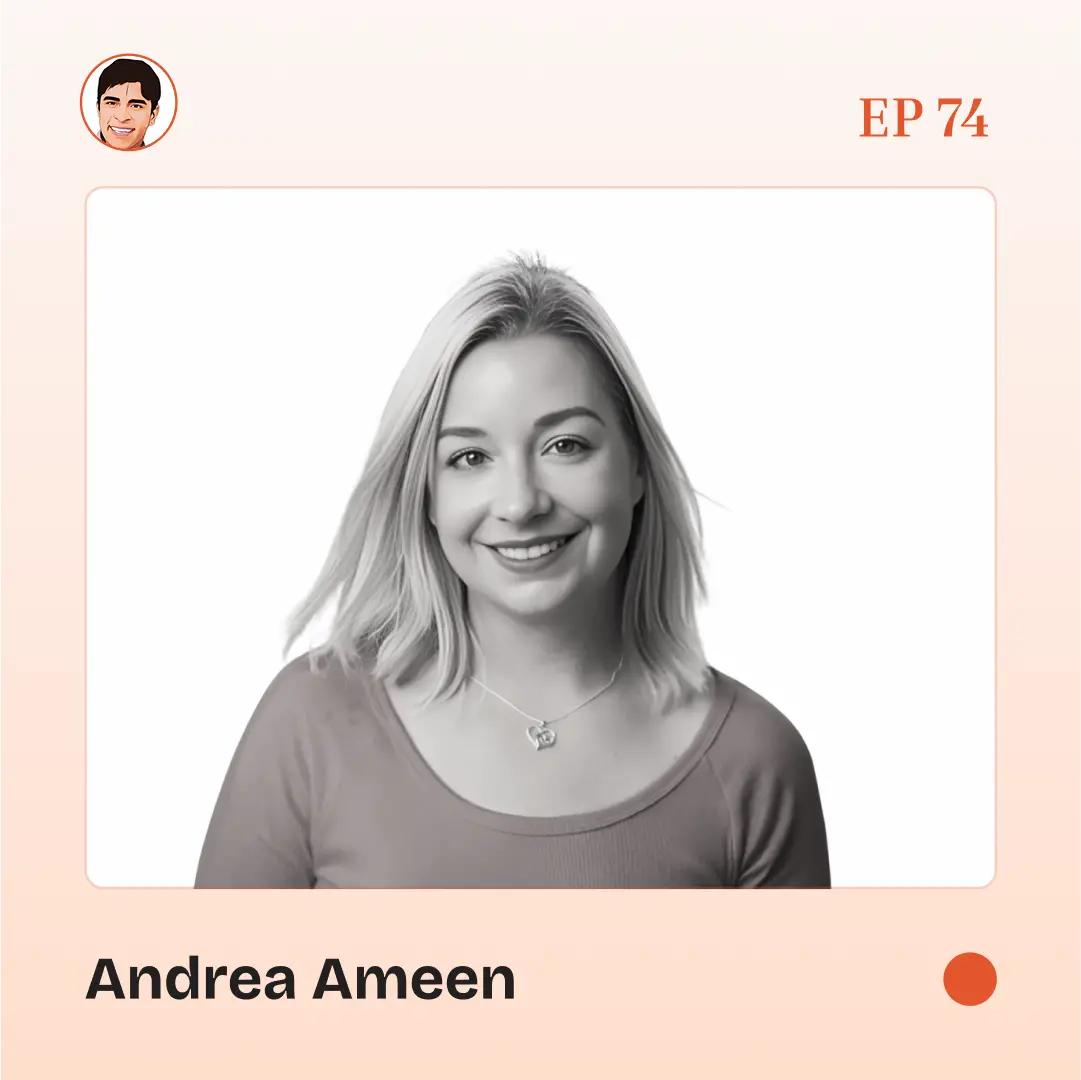
01/30/2025 1:02pm
Personal Update: We're Building a 10,000 Sq Foot Memory Care Mansion | Ep 74
Today I'm joined by my wife Andrea to discuss our exciting new venture into residential assisted...
➡ Episode Page
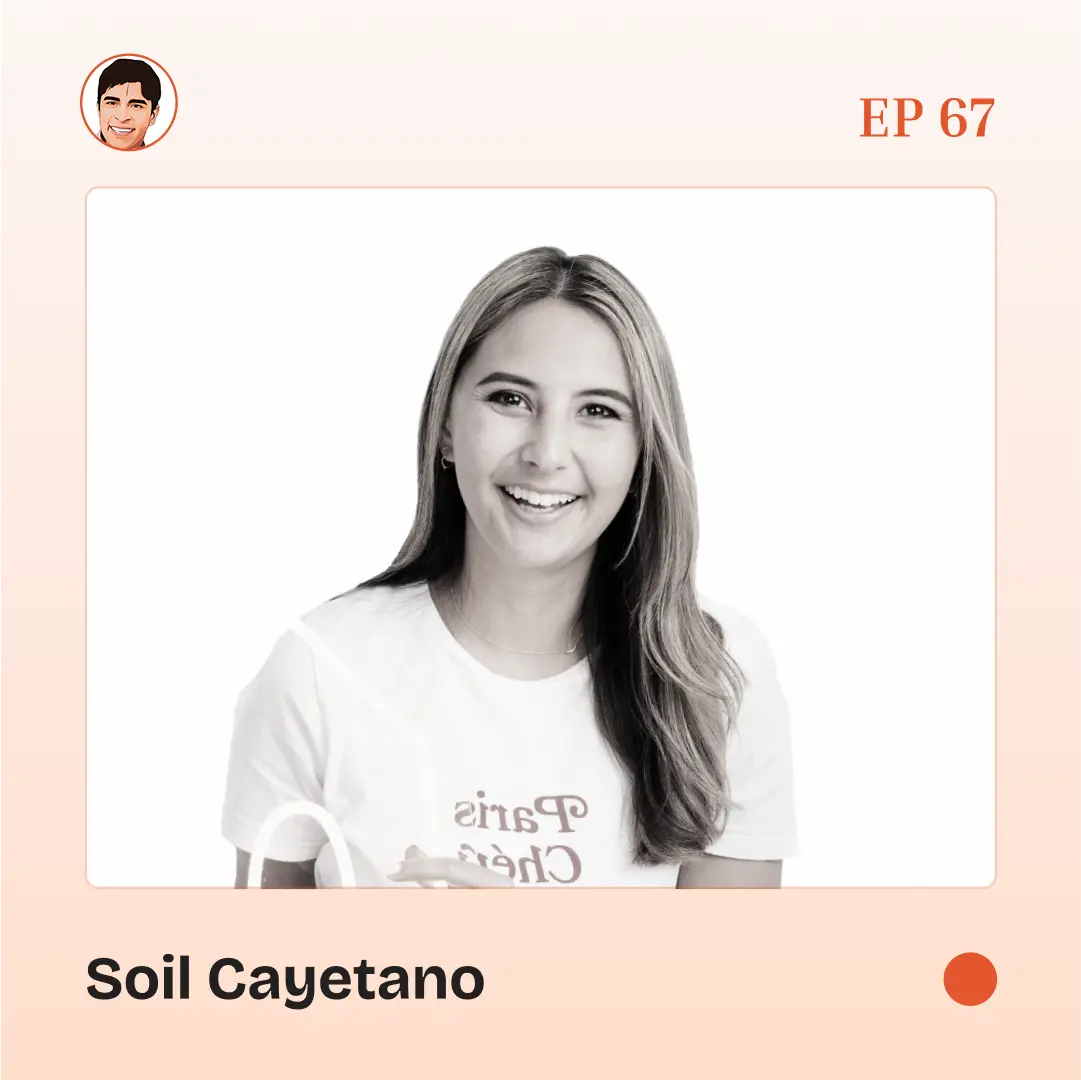
12/23/2024 12:30pm
Out-of-State Investing: 45+ Properties in Less Than 4 Years?
Out-of-state real estate investing with Soli Cayetano, a 26-year-old investor who built a portfolio of 40+...
➡ Episode Page
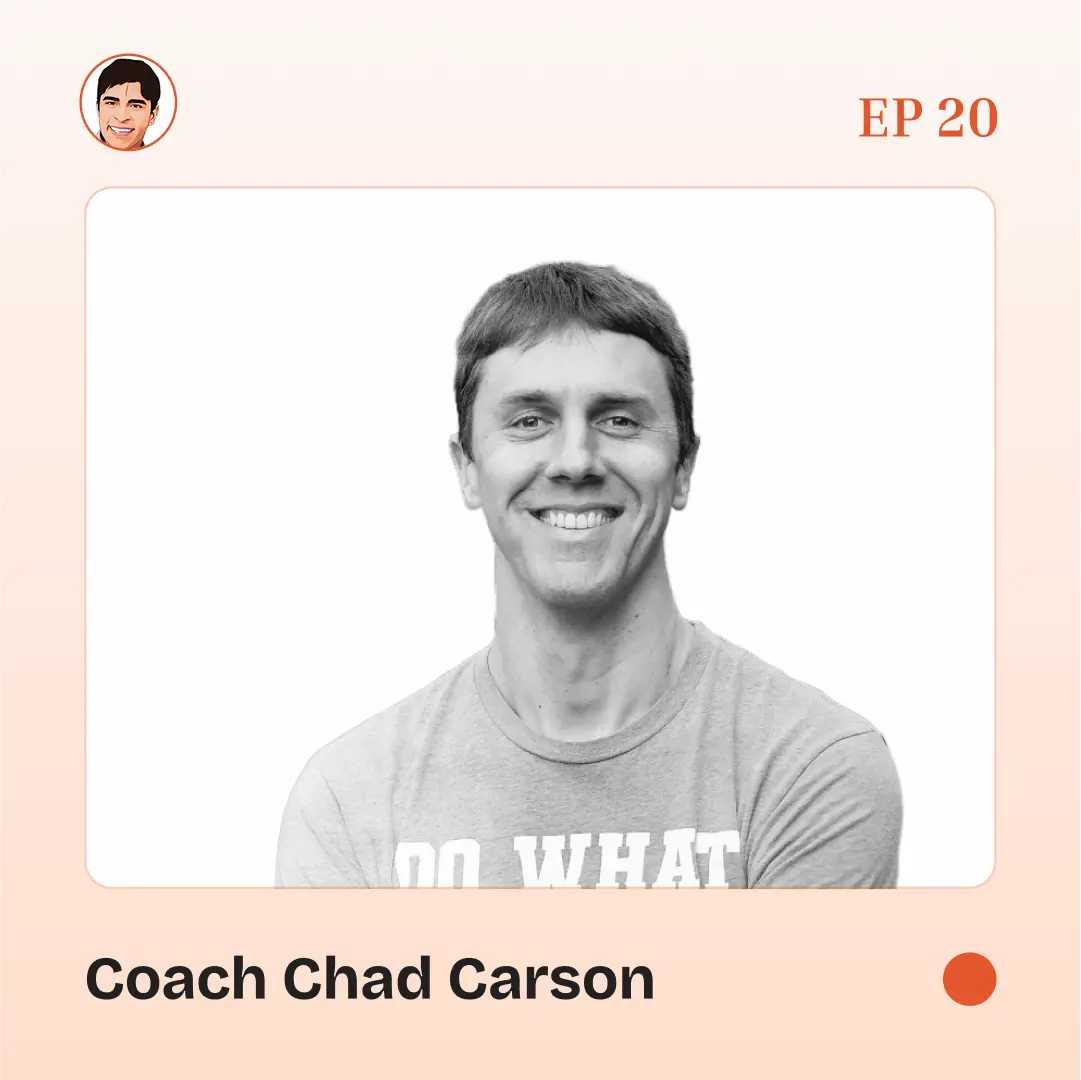
01/29/2024 1:31pm
Chad Carson: From Flipping Houses to Family Focus- Coach Carson’s Real Estate Evolution
In today’s episode of the Hybrid Real Estate Professional, we have real estate guru and two-time...