

06/27/2025 10:16am
Inside the Business Model Behind Memory Care Mansions (Complete Breakdown)
This is a special one.
In this episode, I’m pulling back the curtain and introducing you to someone who’s played a massive role in shaping my next chapter as...



In this episode
This is a special one.
In this episode, I’m pulling back the curtain and introducing you to someone who’s played a massive role in shaping my next chapter as a real estate investor, my mentor and now partner, Brett Chotkevys.
Brett is the founder of Platinum Resorts Assisted Living, and the mind behind the “Memory Care Mansion” model that Andrea and I are now building in Tomball, Texas. If you’ve ever been curious about residential assisted living (RAL), this episode is packed with everything I wish I’d known when we first got started — from how to find the right land, to funding, to filling beds, to building and retaining an amazing staff.
But more than that — this is the story behind the business.
We go deep into Brett’s early days: flipping over 200 homes, running two construction companies, nearly burning out, and the personal turning points that led him to RAL. You’ll hear what finally clicked for him (and for me), and why we believe this is one of the most impactful and scalable real estate strategies out there.
If you want a behind-the-scenes look at what it really takes to build a high-cashflow, high-impact assisted living business and you’re curious about what it looks like to learn directly from the person who helped us shape Everwood Reserve — this episode is for you.
Chapters-
00:00 Introduction
03:02 Challenges and Lessons
05:55 Transition to Assisted Living
07:40 Building a Successful Assisted Living Business
14:19 Marketing Strategies
20:56 Staffing Challenges and Solutions
25:58 Community Engagement
26:37 Data-Driven Business Management
28:13 Operational Challenges and Solutions
29:24 Holistic Approach
30:34 Construction and Land Acquisition
36:51 Funding Options
37:26 SBA Loans and Investor Capital
42:48 Partnering for Success
46:37 Tomball, Texas Project
50:14 Webinar Announcement
Follow Brett: https://www.linkedin.com/in/brett-chotkevys-13a217293/
Brett’s Podcast: https://open.spotify.com/show/4bCRKGIFhWtldTmJpAHPXL
man I was hating my life i was just like all stressed out and it was like there’s got to be something better before you
went down the memory mansion road you had a whole other life i want to do one deal a year that’s a multi-million
dollar year that I can just build wealth i don’t know any other real estate play that puts off the margins the cash flow
that this does and to be able to offer an amazing win what has been your process to attract the right type of
staff and then also retain them you hire average normal people and you build and
invest into them can you go over some of the key things that you measure to decide whether the business is healthy
or needs attention yeah I look at these numbers every single week and
welcome back to the Hybrid Real Estate Professional Podcast the show where we explore how to build a life of abundance and purpose through real estate and
small business investing today’s guest is someone who’s played a pivotal role in Andrea and my personal journey into
residential assisted living brett Shakavis brett is the founder of Platinum Resorts Assisted Living a
boutique style residential care brand that has earned a reputation for blending hospitality luxury and heart
his approach is thoughtful hightouch and grounded in real operational excellence he’s also been a mentor sounding board
and strategic partner for Andrea and I as we build Everwood Reserve there’s a reason people fly from all over the
country to shadow Brett’s operations and it’s not just because of the cash flow it’s because he’s elevating the industry
as a whole in this episode we’re going to dig into what it really takes to build a sustainable resident first
residential assisted living business the mindset shifts needed to operate at a high level and the philosophies that
have shaped Brett’s approach to care and scale brett welcome to the show hey thanks Aaron i appreciate it i’m glad to
be here with you yeah so I’m a lot before we partnered up together i was also a longtime listener
to your show and have kind of watched your story come together i would love to roll back the clock a lot of people know
you at this point for what you’re doing now but before you went down the memory care mansion road you had a whole other
life so I’d love to start at the top and talk about how you got into real estate and business in the first place i think
like so many people started my wife and I married young going through college broke as a joke we were waiting tables
at night had multiple jobs i was in paramedic school trying to be a firefighter because I was told by my
parents get a job with a pension right that’s that’s the way to the early retirement and that’s how to hack the system and man I was hating my life
laura was hating her life you know she was crying every day before she would go to work i was like all stressed out and
it was like there’s got to be something better right and around that time I read Rich Dad Poor Dad for the first time and
it was oh my gosh there is a different way to this game right like I’m playing the wrong game and so we ended up
getting into real estate i love real estate flipped 200 plus houses have a bunch of rentals and we were living in
California at the time so nothing to do with assisted living we essentially just
Challenges and Lessons
fumbled through trying to become an entrepreneur literally had our first baby actually it might have been our
second daughter had our second daughter went on maternity leave and just quit all of our jobs and we listed our house
for sale and was like “All right we are going to figure this out.” And so we had probably 6 months worth of money in the
bank after selling our house all right we’re going to make this work and man we had this guy who said he was going to be our mentor he was a neighbor who was a
realtor who did some flips on the side and with that in mind we trusted him quit our jobs listed our house with him
and then realized he didn’t know crap about what he was talking about he didn’t know deal structure deal analysis anything he was telling us to buy these
terrible things and so all right well we already sold our house and you know did all this stuff we need to figure this
out so we just jumped full right into it and we hired a coach we got our first
flip within maybe 2 3 months which I think was relatively pretty great but we
just screwed it up over and over again until we got our first deal and then
after that we just kept screwing it up and over and over again until we screwed up even less and got our second deal and
that was kind of our pattern we built a team and we were flipping 35 to 50
houses a year we ran two construction companies and had inside sales and outside sales and construction manager
project manager all that kind of stuff and did that in central California for eight or so years and was making great
money and was saving some of the properties we liked and keeping those as rentals and so you know on paper doing
great but really just pulling our hair out man so many young small real estate
professionals that are like “Oh my gosh like deals blowing up all the time horrible tenants all the time.” And you
know we were making great money and had potentially our retirement already covered right we had a lot of cash flow
which was great but it was like dude there’s got to be something more than this and just kept waiting for the right
opportunity we wanted really just like a big deal something that I could do obviously
remember telling Laura like I want to do one deal a year that’s a multi-million dollar a year that I can just build
wealth i’ve always been drawn to doing something that is significant and made a difference i love this game the game of
money and real estate and doing something that helps people and so I was just like sitting on the sidelines
trying to figure out what is it we tried all sorts of different things we got into seller finance stuff we got into
mobile homes we started doing group homes we were wholesaling we were doing rent to own stuff all these different
niches i’d heard about residential assisted living and I’m like I just don’t see it man i took some training on
it i saw the numbers and I’m like I think these numbers just don’t make sense and so we kind of just left it
there on the sideline laura and I actually got into group homes we had a
Transition to Assisted Living
few rental properties in California and we like hey we want to help people we got real estate stuff here let’s use
some of these things to help people and we did this for maybe about two years we had a live-in manager we had a bunch of
gentlemen who were often on the street and we would house them and feed them and we’d talk about growing yourself and
we resume and all the different things right and really thought to myself man this is awesome right we’re making a difference we’re helping people and
we’re making money we’re building wealth through the real estate and like can we scale this and there was this one day
where there was a gentleman there and again people were addicts and they were struggling right and they’re trying to get clean but sometimes weren’t and the
guy was just totally on it the manager calls me the fire department came the building’s full of smoke and there’s
like his dresser’s on fire and he’s sitting there just totally tweaked out just like one foot from the fire and
just doesn’t even know the building’s on fire and I was like I’m done with this i got to sell this stuff we got to be done with this kind of stuff and so that was
kind of the last straw for me on that but it did become kind of a stepping
stone between the real estate space into how do I build something that takes care
of people creates cash flow and makes a difference that kind of led us to this in between space of all right we really
love this we want to build things we want to make a difference but perhaps we shouldn’t be in the group home sober
living kind of space we should look at seniors so the timing worked out well because we were actually my grandma was
94 and I was like all right well let’s build something for grandma so that’s kind of how we led up to this place i
appreciate you backtracking on and retracing that because there’s if people
Building a Successful Assisted Living Business
look you up now you have a very clear message about not only residential assisted living but this very specific
business model that you’re teaching and partnering with others on and that you’re partnering with us on which is the memory care mansion you know the
16bedroom 16 private bathroom luxury style assisted living but in retracing
that right it’s like you came to that opinion over a lot of trial and error trying out different strategies figuring
out financially what works well and also compatibility-wise like from an investor
standpoint does it align with the values that you have and and what you’ve identified now is something that fires
on all cylinders right it has the impact that you want to make and it also has the financial opportunity and upside to
provide anything you could ever need instead of doing 30 flips in a year you
could do one mega deal that contributes to solving a really big problem in society which is this shortage of beds
for senior care especially memory care but you can also achieve your financial goals and in many cases bring investors
along for the ride too they want exposure to this industry so it’s a really well-formed like it was it was
probably a long road to get there with a lot of trial and error but now you’re it’s not like you just were born one day
and you’re like I’m I’m going to build a memory care management it’s founded on a ton of different experience and perspective that now you can say very
credibly that this is the best strategy that you found after trying a bunch of different stuff you know and to add to
that I always felt like I was going against the current when I was doing the
flips and the wholesaling all those things the market was just shifting and comp competition was getting harder and
harder and you know for everyone in the the game now right like it is so much harder than it was 10 years ago and
there’s very little deals whether you’re in multif family or or flipping or wholesaling it’s just tough and that
feeling I don’t have that feeling in the s senior living space because I’m actually going with the current here
there is the wave of baby boomers that are coming and there is so much demand and the products that are out there
honestly our competition is laughable when you go and you start touring these if you’re looking for your own family
pretty much everyone knows there are not great options they are average or crap
and everyone has this personal experience with us so when we share here’s what we do they’re like “Oh my gosh that is so needed right?” So
there’s so many people who want to get involved because everyone has a personal experience with end of life and grandma
or mom yeah absolutely and and when we talk about these places that have kind of substandard quality of care or maybe
even just the approach so we did a lot of secret shopping as part of our process and we call around and we were
surprised how when someone answers the phone most of the time they’re not even asking “Tell me about your loved one
what do they like to do what’s their name?” Very basic human connection that they could easily make with their
potential customers and instead they just start describing yeah we got x number of rooms and we shower x number
of times per day and we have fresh ingredients they just started describing these kind of features without actually
really making the emotional connection and where I’m going with this is that the one of your guys’ opinions and how
you guys teach your partners is that the bar has been set very low for what people encounter out in the wild and so
our ability to exceed that with quality of care the actual personalization and
just building a business where people could be proud to drop off their family member and not ashamed like that is
integral to your guys process your business model your success so far and how you teach others what do you think
are the biggest differentiating factors for especially a newer business operator
who wants to come into this space um yeah what are the big differentiators when Laura and I decided to do this we
were building our assisted living and we moved to Texas to build our first one and again no experience right neither of
us we came from real estate and restaurants and people would ask us “Do you really think you’re going to be
successful do you think you can actually do this?” Right build something get a license with the state fill it up and
we’re like we’re honestly we were a little nervous laura was more nervous than I was i’m just more I’m going to figure it out no matter what but I was
so surprised and I realized within probably 90 days of opening that we are going to crush this thing and it’s
because of the options out there they are so bad nobody cares most the
competition it’s either really big the big smelling facilities or really small the little 68 bed mom and pop runs and
most time around the country you’re just looking at the big 60 80 beds those people there they don’t care when you
get in this industry and you realize how terrible people in this industry the way they are treated and therefore the
culture that’s in the industry and therefore the people who will stay in that bad culture it’s people you don’t
want to hire and you don’t want to work for you and they are taking care of mom and they are doing all the things and I
always use this analogy it’s you don’t have to run faster than the bear when he’s chasing you you just have to run
faster than the person next to you right and you can come in and if as long as you honestly have heart you have a
gorgeous building and you have heart you can make all the mistakes and just call the families and let them know hey this
is on me my bad this is how we’re taking care of mom they are so gracious because by the time they come to us they’ve
usually been through the funnel of independent living into the assisted living at the nasty big box and then
coming to us and burned out and there’s no communication when you can come in and say “Hey this is me we’re it’s
myself my wife it’s our team here we’re here to make a difference and love on your mom or your dad like there is so
much grace for that kind of stuff and honestly you just have to give a crap it’s all here’s how to be a great a
great caregiver is is just how to be a great mom right it’s just a lot of patients and you’re just helping people and that’s really the gist of it yeah
you’ve impressed upon us and the other partners that we’ve been able to meet quite a few times that this really is a
people business yes of course there are medical standards there’s you need to make sure you have access to the right
services contracts with the right type of health care services you got to have a full staff and kitchen like there’s a
lot of bases to cover but at the end of the day the ability to attract new people to come and move in is a directly
correlated to your ability to make connections out in the community and I feel like especially you guys came into
a city it’s not where you were born and raised you weren’t born and raised in Georgetown but you came in there you’re
adding very tangible value to the community by providing the service and
then you’re also integrating yourselves you guys have a really cool marketing strategy which I hope you don’t mind me
Marketing Strategies
at least alluding to right which is your strategic 20 where you basically have four different domains of how to attract
residents there’s paid referral services within the healthcare industry then
there’s relationships with people in the healthcare industry that are unpaid those are just about your relationship
and then layering for non-healthcare related right you have paid sponsorship of community events and then you just
have your organic local relationship within the community and that’s a really nice holistic approach whereas a lot of
people assume that you’re kind of just getting people maybe off insurance or they’re only coming in at a really acute
time of need but in fact you can kind of plant the seed and make people aware of
your home long before they need it i mean can you maybe unwrap that strategy a little bit and how that’s worked so
well for you guys absolutely so when we first opened during COVID and we’re
under construction during 2019 and even while we were under construction we started implementing some of this and
we had like 12 of the 15 rooms that we had sold deposits while under
construction right and I think we were full within 6 weeks after that and had a wait list of like 20 people after 6 months after
opening and so here’s why first I would go back to the competition people don’t
want the other types of products they don’t want the too big smelly facility they don’t want the too small mom and
pop run that can’t offer the private chef and the private room and all of those things so if you design your
product the way that we are with the memory care mansions it’s everything that mom really wants and needs but then
we took the physical product and then even though we didn’t have a reputation yet reputation is so important but you
can do this when you’re brand new because we’ve done it and a lot of people that we work with do you start
honestly with heart this is what the name of the game is we’re just providing love that is what the service we are selling so you just go and you talk to
these people and there is a logical path that you alluded to there you start with paid people in the industry because
everyone that is going to accept three five plus thousand for referral fee they
want to meet you they’re happy to come tour your building whether you’re under contract or you’re building new
construction they’re happy to spend some time and you just go and you sell them here is me i am not perfect i may have
experience i may not have experienced but I’m here to love and take care of these seniors and we’re going to hire
the best staff and we’re going to do this and that right and those people are pretty much how you get started you
start with people who this is their business to know the right people in the industry you don’t necessarily know them
yet so you can definitely pay and I think that is a good starting place as you are getting deposits and bed holes
and things but the most important part is what that leads to next is the people who are in the industry who you don’t
have to pay because this is probably 90% of the relationships and the referrals
that we get is all the people in this little niche and there are it’s a really
tightknit community in your county your city all those things it’s home health
it’s hospice it’s the managers of the independent living it’s the rehab people
there’s a whole list of these there’s dentists that their whole business model is traveling dentists they go from assisted living to assisted living same
with podiatrists same with so many different people and so what these people do they just they literally go
from you know mom’s house at home if she’s on hospice those kind of things people living in their private houses to
independent living taking care of those people to the assisted living to the memory cares they know every facility in
your area they know what are the best ones which ones are the worst ones and every single week they’re meeting with
the daughter the son the power of attorney and saying “Here’s what’s going on with mom mom is declined she now
needs a new care plan maybe it’s time to move her maybe it’s time for her to go into memory care.” Something like that
and it’s “Well don’t go over these ones i’ve been there every day and I know that they’re crap.” This one over here
this is the best and it’s it’s almost like like Yelp for restaurants right like you want Mexican you look it up and
well this one’s got four and a half stars everyone goes there the same thing everyone knows who has the best care the
best reputation and so we get crazy amounts of calls and leads where most of
the big facilities are like 65% full in our market and it’s just like cuz everyone wants to go to the same spot
right it’s kind of common sense so if you build those relationships and it takes a little bit of time right like
pay for speed and then the slow long play is you build the relationships with the people in the industry and then the
third plate to that is you there’s 1% of people that live in your area are in the industry the other 99% are just
community members right so going and meeting the correct people we’ve had such an amazing result with people in
nonprofits in people who are plugged in connected in the city there are so many like 60 to 70 year old ladies that are
retired and they just want to help and they meet with all their girlfriends and they do wine events and raise money for things those people if you have them
come and do bingo and you meet with them volunteer at their events man they are huge advocates for you and they will
send so many people your way yeah I feel like it’s such an important thing and it’s maybe a little less obvious because
a lot of people maybe have a narrow idea of where residents actually come from
but those community partnerships especially over time like you said as you build your reputation they become
equally if not more important than the paid referral pipelines like you said that’s also how you could get a head
start even as a new operator so Andrea my wife she spends a lot of time driving out to Tombball the area where we’re
going to be building our mansions and she’s meeting with various members of the community both within and outside of
the healthcare field and we’re still probably as we record this 12 months away from opening but it’s to your point
not too early to have those conversations people are taking an interest even though we haven’t broken ground yet they know it’s coming they
know it’s in the pipeline and these folks do want to be aware of that and contribute in whatever way they can so
we kind of talked about filling the beds so work our way down the P&L a little bit so obviously the whole business is
predicated on being able to generate enough revenue to hire the right type of
staff make sure you’re investing paying competitively attracting the right type of people retaining them so the next
kind of big cost center is the payroll and the staffing which from everything I’ve heard both from our own individual
concerns and then concerns we hear from other investors staffing is the biggest thing that people are worried about so
Staffing Challenges and Solutions
what has been your process to attract the right type of staff and then also retain them in a competitive and pretty
difficult industry yeah so by far staffing is the biggest
challenge to this business a lot of people who are new think it might be how to get the residence it’s super easy to
get the residence if you have the best product and as you build your best reputation it’s just not an consideration the bigger problem to
solve and scale for is keeping and creating really great staff right like
you don’t just hire great staff you hire average normal people and you build and invest into them and they have to
believe in you and your company and their back and they will give you their back and so I really think it starts
with the top down it starts with the ownership team and is honestly a lot of
time and setting the stage with here is our vision here’s what’s going on with
us as the company and why we’re here trying to make a difference and really investing that and teaching that vision
to your management but then also supplementing that with a lot of the practical stuff and it just goes kind of
step by step month by month let’s just one thing at a time pour into and teach
and equip our management team so that they can turn around and go teach our caregivers and our chef and our med
techs and the other part of it is kind of a little bit more defensive like it’s
firing quickly we fire very quickly we had our management meeting today and it was like here are the two ladies that
are such and such is happening like are we going to cut them when are we going to cut them what are the write-ups and you know what it is for the best of your
grandmas that is always the bottom line that we were thinking of right like what provides the best care for our
grandparents and a lot of that goes back to the staffing and a lot of times it
goes back to are we paying enough right do we need to pay more for the point of
we are taking care of our grandparents the best and so it’s a little bit of AB testing as you’re going through hey you
will actually hit a different caliber of person when you hit a certain dollar amount and if you just need to maybe pay
$2 $3 more you’ll get some quality people that will come in and you don’t
need they don’t have to have a degree they don’t have to be a nurse they don’t technically even here in Texas they
don’t have to be a CNA all you have to be is 18 and have a heart right so that’s who we’re trying to find you
actually think that most of the time the best caregivers that we have are people without experience and they just care
it’s just a lot of patience it’s just a lot of empathy and they’re going to get
it’s a hard job right not challenging academically or anything like that but just to have that constant patience is
tough and so you need someone who’s built for that and don’t know when you first start those first few months don’t
be afraid to hire move people out quickly and just cycle through and develop a great training system because
you are filtering through for those right people who are not going to sit there on their phone on TikTok all day while grandma has a dirty brief right
you need someone who has compassion and empathy and all right let’s go take you to the restroom and let’s help with these things and it’s not easy and it’s
a thankless job a lot of times because there’s so many little things that they’re doing constantly yeah and I think I would relate it back
too to what we were talking about with standing out in marketing there’s also a really low bar for how these caretakers
are treated at other big facilities right so they’re used to people maybe the micromanaging unhappy manager types
breathing down their neck and maybe they have this inherent built-in resentment that whoever their new employer is is
going to be the same way so when you guys talk about creating a culture where not only are you trying to find people
that you can develop but you’re creating a sense of culture right you guys call them your angels a specific brand you
empower them with this personality that you can have that angelic effect on this on grandma or grandpa’s life and so it’s
ingrained as kind of a living breathing culture instead of just a job that you go clock into and clock out of and that
to me that does stand apart in a crowded field where most of these jobs are not only systemically thankless but usually
probably actually thankless in the big facility environment where you’re providing an alternative so it’s another
example of just like raising the bar where the bar is also really really low to begin with absolutely most of the
time when we hire someone from big corporate they’ll be one of them to 16
sometimes 20 residents that they have to take care of and it’s just literally not possible to go through shower and toilet
and help people not possible they’re just kind of half the time being neglected and so they’ll come you’re
like “Wait I only have to take care of these eight and I have my own private chef over here who’s going to cook for them and clean and do all the dishes and
all that kind of stuff all I got to do is take care of eight grandmas.” and we just focus on quality and not quantity and so when you have the right person in
there they’ll come in even if they have experience somewhere else and be like “Oh this is a cakewalk i can do this all day.” And so just really finding that
that person with heart with or without experience can honestly train them i love that approach today’s episode is
Community Engagement
brought to you by the Remote Real Estate Academy the community I launched last year where I personally coach investors
and empower them to buy rental properties anywhere in the United States my business partner Nathan and I have a
collective 15 years experience with over 20 cash flowing out of rental properties
we provide a step-by-step playbook on how you can build your own portfolio and start accessing the life-changing
benefits of real estate investing starting today go to remoterrealestateacademy.com
for more info or better yet shoot me an email at aaron@aramine.com
with subject line ra and I’ll throw in a special bonus for podcast listeners who join the academy now let’s get to the
Data-Driven Business Management
show and so last piece on the operational component and then there’s a couple other domains I want to hit but
you are a very datadriven person in addition so you have the big vision that comes straight from the heart but then
you also have a very systematic way of managing your business so you measure different KPIs both like broader
business health metrics but also individual like activity metrics for your staff like number of tours booked
and number of new residents added to the weight list can you go over some of the key things that you measure to decide
whether the business is healthy or needs attention yeah I look at these numbers every single week and I can look at just
this it takes me like 30 seconds and know exactly how well my business is doing there’s been times we’re out of
the country for weeks at a time i know everything’s going normal i don’t have to hear anything from a manager here’s the numbers i think of it as I’m
deciding and if someone is deciding how do I go about what what do I want to track i really start at the beginning
and just work my way number by number all the way through the business alluded to you know really the sales part of it
right it starts with the income how many new leads are we getting every single week and we are tracking that and then
from there right the lead becomes a tour how many new tours are we doing and we’re great at tours and we we have a
weight list so how many people are we adding to the weight list right so we’re track that every single week and then
from there right we’re people do pass away so how many beds do we have full and I can actually go and see it when
someone does pass away okay how many weeks is it before we replace that bed and it’s usually about two weeks and we’ll have somebody new in that bed
Operational Challenges and Solutions
right so I’m tracking all of those kind of things moving through on the income side and then pushing forward into the
operations side and we’ll track potential issues resident issues that we’ll track staffing issues i want to
know how many callouts that we’re having and then actually another issue that we track is how many out of office or kind
of nighttime calls are we getting and that may be an indication for our overnight shift right what is our
training look like how is our staff there if they are calling and and they do if they’re calling our management
team three five times a night like that will affect how my managers are
performing and it may be is it because somebody is actively passing away or did
somebody fall at night or how have we not equipped them to know when to how to
handle these things so really that was a personal problem that we saw in our business and so really anything that’s a
problem right let’s track it let’s put a metric to this and so that’s really the flow going through these things we’ll
track our payroll every single week we’ll track our food kind of more on a monthly lesson so I’ll get into all
these numbers with my bookkeeper every month and she puts everything into categories and I can see month by month here is all of my expenses and how well
are we doing in those things as well yeah so it’s not just profitability and cost control it’s also like
Holistic Approach
effectiveness like you mentioned if people are having issues outside of hours that can trickle down into how
your managers they’re getting pinged all night not getting good sleep and maybe they’re getting distracted by stuff that could be trained and prevented in the
future and that trickles down into how they do the rest of their job which can then eventually hurt the profitability
or more importantly the quality of care for the seniors and so yeah you’ve kind of got these different dimensions where
some of them are strictly financial and the others are more about just the actual health of the business and the
people in the business so I do appreciate the that kind of holistic approach and it’s one of those things where people that are considering
getting into assisted living they hear about it on maybe a Bigger Pockets article or it’s the fad of the day right
people are looking for cash flow and they think about assisted living but all the things that go into it and doing it well and making sure that you’re not one
of those people that sets the bar really low but you actually clear it and provide excellent service there’s a lot that goes into it so I think that’s
something to consider for folks who are intrigued by the idea but maybe don’t have the bandwidth or capacity to take
something on with this much complexity and stakes that high so the next domain I want to touch on which is probably
Construction and Land Acquisition
another big one that stops a lot of people from getting started is the construction finding land this is the
piece where you work with partners all across the country it’s probably the hardest piece if I had
to guess at least as far as getting into the game is finding a viable piece of land and making sure that it can be
built on that you can navigate all the various regulations and zoning it may be
so I know you mentioned you did 200 plus flips you’re very familiar with construction heading into this but what
are some of the big and I I know you have plenty of episodes talking about this but maybe just even at the highest level what are the biggest
considerations when people are looking for land for a project like this i think there’s a lot of misinformation out
there about this kind of thing of how easy it is to go and do this kind of stuff that you can take any normal house
and do it or you can find vacant land and build this and it’s no big deal and
it’s it’s very much a big deal and it’s very much difficult and there’s a lot of different things to consider and so
first and foremost I would say zoning is one of the biggest challenges right up front right a lot of people are told you
can go and take the house you live in take any five sixbedroom house convert the garage and you can do it right
that’s probably 95% of the time not true based on your city right like they think
that an assisted living is a business and business is owned commercial and they want to put you in a commercial
space and so right like majority of the time you can’t do anything that’s really
profitable a lot of well every city will let you do it to at some level right is it four is it six is it eight is it 10
but you’re not going to make any money you’ll probably lose money and not provide great care with those kind of
income and expenses so to do something viable we build these 16 mansions
usually 95% of the time it’s not residential zoned there’s a couple cities that will I’ve seen that allow it
but most of the time you’re either looking at commercial or is it R4 or is it mixeduse land can you get a variance
we’ve done agricultural land and jump through a few hoops with a city to be able to do that and so I think zoning is
the biggest challenge on the front side and it kind of is this cost balance right because you start looking at
commercial land and you want to compare it to residential land and it might be three times the cost right so then it’s
like this sticker shock of oh I can’t pay a million plus dollars for this piece of land and then build it right
but you just have to find this balance of the city says okay yeah commercial you can do that what are my secondary
options right what are the the the variance or the special use permits that like agricultural land for us was
literally 25% of the price of the commercial land a couple miles down the road So there’s a really important
consideration there ada is another really big determining factor in this if
you are building new construction you have to build compliant you have to be ADA now if you’re doing a home
conversion and stuff like that there are kind of exceptions to that you don’t have to make everything compliant but
man it is difficult to make sure you can hit some of these codes and it is different state by state by state there
are different restrictions on bedroom sizes and ratios of square footage for the dining room and the living room and
roll in showers and all the different things parking for compliance and if you follow these rules you’ll end up with
the most ugly hospital-like facility right and it’s like but I don’t want that i want this awesome gorgeous
mansion so how do you take the rules and how do you like flip it and make it you know purpose-built and gorgeous in order
so that you can have something special take care of grandmas i think that’s actually one of the big challenges up front that combined the design with
hitting these compliance things for ADA yeah that makes sense i mean it’s
anybody who is even remotely considering this that listen to that might be like “Okay never mind.” But it it can be
navigated right it’s just a matter of knowing what to do and in what order to do it and I think one of the biggest
revelations that Andrea and I had was that a lot of this due diligence and the stuff that you’re talking about that you
would need to figure out can be figured out before you even go under contract and even when you’re under contract
typically you have these long due diligence periods you’re going to have costs right you’re probably going to be working with the architect engineer a
number of professionals that are going to charge for their services so it’s not like you can figure everything out completely for free but we were
surprised just how much you could figure out before you start putting money down and it’s different if you if you’re like
me you came from a rental property background you did flips the way we analyze deals for residential completely
different there’s just there’s so many more variables and so many more dimensions and things that could kill the deal on a raw land development
groundup construction deal uh is just knowing what to look for so I think that was when we started working with you one
of the immediate benefits was that you’ve done this before not only for yourselves but with other people and so
you had a very sequential checklist and I think one of the I’ve
told you this privately but in here for everyone to hear right it’s like the the high standard that you hold for the land
like you know if a partner brings something to you that might work but they’re forcing it and it’s got maybe it
could work under the best circumstances but it’s not ideal like you hold a pretty high standard for what you will
sign off on and that’s one of the biggest things that you can save people from making a mistake is like getting
the wrong piece of land or finding out down the road that they made a mistake and that their original plan isn’t going
to work the way it was originally intended so I think it’s a solvable problem when we hear people talk about it it’s kind of daunting but it’s
definitely solvable if you just know what to look for so that brings Go ahead sorry i was going to say anything that
that’s this good is not going to be easy right and it’s just cost versus reward
here and I mean you can build serious wealth on this and have amazing cash
flow but I mean you’re doing something that has a purpose and makes a difference and it’s not a small deal that we do yeah yeah absolutely so I
think we hit on two of the three biggest concerns people have whether they’re trying to go after the deal themselves
or invest in it which is the staffing and the construction but then the funding is the third one I think you
Funding Options
know that’s both fun and not fun to discuss but you got the between the bank
piece and then most likely due to the size of these deals you have to re raise some level of outside capital so can you
talk about like what are the most common funding options if somebody were to do the memory care management model yeah I
wish I had known this i wish somebody would have told me this like 5 years ago on our first one that we did we raised
all private capital for it and it was over a million dollars and I did not
know that SBA funding how well it worked for this model so this is what I do now
SBA Loans and Investor Capital
personally and most of our teams do whether it’s a 7A or a 504 and SBA is
awesome for this because we have two things we literally have a real estate company right we have LLC for that and
we have a separate another LLC for the operations there’s a business and real estate and most banks will just fund the
business part of this and not fund the operations and there’s a lot of capital several hundred,000 of working capital
and furniture and then you add an interest reserve and stuff like that you might get up to an extra 500 grand that you need and to have that in cash is a
little bit daunting and it makes the deal very unachievable for most people
if you need the down payment for the real estate plus 500 grand so SBA is awesome because they will fund both
sides of this you’ll actually sign Loan Docks managing member real estate company managing member operations company and you can get all of this
capital funded bubble by bubble so to speak of like here’s my construction here’s my construction overage here’s my
working capital here’s my furniture and you can pull it a little at a time as you need these different funds and so
SBA they can do 90% leverage for me they did 85 so usually 80 to 90% down is what
the loan will be so 10 to 20% down and that can be a lot more achievable for
people who are people who are doing a a single mansion not building out a neighborhood like we are you might be
350 to 500,000 right or you go and you build a neighborhood which might be in multiple phases and is really a massive
play you might be a million dollars or a little bit more than that that you need to raise
but it really becomes achievable because of the deal structure can bring on investors for these things especially if
you’re just going to build one it’s not a huge thing to go and raise three 400 grand from one or two investors and
really if you’re a real estate guy you’re looking at just the real estate play and the cash flow from that but we
have an active business and the active business makes amazing money and so it
you’re really kind of double dipping on what you can offer to potential investors and make these awesome deal
structures for them because the cash flow is huge right and then you have this backend play whether it’s five or
seven or 10 years down the road where you’re going to exit the deal and again we’re building new construction so we can build them at less than future value
and so you have this huge win on the backside too right plus all the depreciation and stuff i don’t know any
other real estate play that puts off the margins the cash flow that this does and
to be able to offer an amazing win and honestly you can because you have the two different entities you can actually
structure you know a more personalized win-win because you don’t have to say oh here’s 10% and 10% right you could say
okay here’s 15% and 5% or vice versa and you can problem solve hey here’s what I
need for the GP side here’s what we need for the LP side and we can make something a great win-win on this and so
I think the SBA is awesome and massive for this stuff and you couple that with
some investor capital and I would say that most people can do this deal it becomes super achievable to do a three4
million deal on your first one even I mean we have school teachers that are doing it right like we’re not talking
about crazy millionaire people right people who financially have their stuff together they got a good credit no bankruptcies you got good solid W2
income just normal people right those people can get into this deal and be able to do these yeah no that was a
really good overview i think that from the bank’s perspective one of the concerns I hear most people say is “Well
as a first-time operator let’s say I am a school teacher i’ve got the heart i’ve got that studied the business plan i’m
working with Brett and Laura like how am I actually getting approved for this loan?” Mhm well I think from the
experience side there there’s two parts that banks tell me that they look at when they look at our partners’ stuff is
they want to know what your personal experience and that’s you and your finances right so they you got to check
pass the check of hey what do we look like on paper are we paying our bills on time all of that kind of stuff it’s very
helpful if you have rental properties some other type of assets those kind of things other type of cash flow and then
they want to know what does your experience look like right the one who’s you know the deal really revolves around you right the success or failure of the
deal will be on the principal who’s there day in day out taking care of the grandmas and really overseeing the staff
you don’t necessarily have to have assisted living experience right you don’t necessarily have to be a nurse that would be great if you did you don’t
have to be a real estate investor or a business person but there’s experiences on both sides that are applicable and we
have a handful of banks that we work with and we have one bank that values people who have medical experience we
have another bank that values people who have business experience totally separate than medical right and there’s honestly you need both skills i think
that business experience is better you can definitely just go hire someone with a medical experience you will need to do
that anyways right was maybe because it was my path right i knew a lot of business stuff managed teams i’m great
with numbers but I didn’t know anything about medical and so we just brought someone on our first manager and so
they’ll look at those kind of things but sometimes it’s just not enough right
especially if you’re raising doing a several million dollar deal how do you convince the bank to do these things
Partnering for Success
right and that’s kind of why we’re working together and why we partner with teams is we have this plug-andplay model
and I’d say there’s three core foundations to what we do right there’s the real estate play and you literally just go and plug and play here’s our
mansions here’s all the architecturals build it exactly you can modify if you like this is what it looks like right
you have our construction manager to help guide you and your builder and your architect through the whole thing same with our funding here’s our banks you
can use the same kind of banks and preferred lenders and then we have a marketing team a digital marketing team
and then a referral networking side of our marketing team that goes into touring and sales and literally sending
out your people to our mansions and teaching them especially your future managers how do I tour how do I make
sales how do I answer the phone call how do I copy and paste your CRM and your lead system marketing is so vastly
important and then same with the operations team how do you onboard and train and your success honestly comes
back to how great are your people so having a plug-and-play system for that and then having when things get hard
being able to just reach out on the phone or jump on a call with our direct managers manager to manager how do we do
this i’m not seeing it right the flow is not right and then coming out to our mansions here and doing being able to
train and send your team and so there’s a lot of value that we bring and we built our company for this really for
the success of what is the bank looking for what is our partners needing to be successful the deal structure is that we
only win when our partners win so how do we make it so that they have everything that they need to be successful yeah
absolutely and as someone who recently navigated the bank approval process I can say they definitely do want that
level of granularity what timeline is all this stuff happening on how are you training your staff how are you building
relationships in the community how are you handling construction who is responsible for keeping everything on
track and cost controls etc and so yeah that’s something where your team you have this timeline view from the second
somebody enters your ecosystem until the day they’re open for business and beyond even but there’s multiple tracks running
at the same time sometimes like you’re doing construction related work while you’re also laying the foundation for
your operations business and building community relationships and again it boils back to that step by step what is
your business plan what order is stuff happening in and how are you making sure all of these complex bases are covered
and not only covered one time but covered on an ongoing basis so definitely appreciate the structure you
provided for us who would you say is the ideal person or maybe couple if
someone’s doing it as a couple what’s your ideal profile for someone who would really succeed with this business model
uh I see quickest and fastest success with teams it doesn’t have to be wife but I do see a lot of success with
husband wife teams sometimes one of them has medical background sometimes one of them has business and that’s fantastic
they’ll just take off i have one team that one of them is the medical director experience and one of them is actually a builder it’s like boom you guys got this
here are the systems here are the steps but it doesn’t have to be the case i think that people who ultimately want to
make a difference for themselves personally because there’s a lot of grit and hard work that we’re going to have
to do but also take that and pour into their business are people who become
really successful with these kind of things so I wouldn’t limit it to say it’s you have to have this or that you
should have some type of experience either medical or business or maybe financial something to be able to stand
on and then you’re going to have to go and use systems or partner with somebody to fill in the other side that you’re
missing yeah it makes sense it’s partially the type of person you are the personality you have your commitment to
your own growth and success and development more so than the avatar or profile you come in with is what I heard
at least but yeah absolutely we’re coming up on time here i just share and
Tomball, Texas Project
highlight the work we’re doing together in Tombball Texas northwest suburb of Houston so we’re about 10 months into
our partnership with you which is about how long it takes to do this the right way at least from what we what we see we
went under contract on this 7 acre plot of land at the end of January as we record it mid June and we’re still a
couple months out from closing but it’s been an extraordinary team effort to get to this point we said no to about five
or six plots of land before we said yes to this one and even since we said yes it’s been another four and a half five
months of due diligence getting all our builder quotes and everything in but we’ve entered this really exciting phase
where we’re now raising capital for our deal we’re a few weeks into that and then we’re making a more public offering
by the time this episode drops that will have occurred and we’ll have another 3 to four week window to bring on
investors into this opportunity and for all the reasons Brett mentioned earlier there’s a lot of meat on the bone so to
speak these are very cash flowheavy deals you create a lot of equity through the development play we’re building
brand new luxury homes on a 7 acre plot of land that we reszone from agriculture to commercial so there really is a
holistic play for for our investors but yeah I just kind of wanted to take a moment to highlight some of the the core
features of that and also see if you had anything any commentary to add essentially we’re using the financing
strategy that Brett talked about so we have a SBA 504 loan which will fund the
groundup construction they’ll partner with the local bank and they can actually loan in our case it’s about 73%
of the total cost of the project and we’re raising the rest through either our own individual contributions or
raising equity from outside investors and the return profile we’re aiming for
is it’ll be a six-year hold and our goal is to get all investor capital and
actually double that by the end of the sixth year and then we have a structure right now where we would hold people
even past that point that we’ve returned their capital through the end of year 10 with the goal of getting them a 20% or
greater return on their money on a time value basis so internal rate of return
so we’ve engineered it to be 20% is at least in our experience significantly higher than you can get in the average
on a stock market or other type of equities and then it’s also being preserved and backed by this this real
estate equity play but I’m just curious if you have any other thoughts of things that you would want to highlight about
our deal or particularly what you know about the process so far yeah I I would highlight the just the opportunity that
you have there the land the timing that you have place that you’re in the spot
that you have right like there’s all these other medical things going in it’s it’s an amazing spot you’re going to get
so many eyes on it and the demand in that area there’s so many people moving to that area and it’s just you have this
just huge opportunity for a ton of sales a ton of great potential staff in that area and I just highlight you and your
and your wife Andrew you guys are awesome you guys are rock stars you’re doing this for the right reasons right i know just on a personal level the the
quality of people you are and it’s it’s somebody that I’m happy to get behind and I think a lot of people would know
we appreciate that and the support from you and Laura and your entire team like you got you got a whole team there everyone’s really dedicated to the cause
and making sure we have all the tools we need like you said there’s marketing operations construction everyone’s
really invested in our success both literally and figuratively and that shows in the way that we’re able to package this up and take it out and
hopefully share the opportunity with other investors so we will be hosting a webinar on Monday June 30th at 6 p.m
Webinar Announcement
central i’ll make sure so Brett will be there some of our other partners will be there my wife Andrea will be there and
we’re going to give an overview of the opportunity as well as answer any questions people have so I’ll make sure there’s a RSVP link and if if you listen
to this after June 30th we’ll make sure the replay is in there but uh Brett thank you so much for taking the time to come on the show if people want to learn
more about you partnering with you or any of your businesses where where can they find you i would first start with
our podcast right Assisted Living Investing you can find that at any podcast app or you can check us out on
YouTube my podcast is on my YouTube channel it’s just my full name Brett Shakavis find us there and yeah I would
start there our website is Assisted Living Mansion you can see what we do and what our model’s like and and check
it out there’s there’s a ton of free content and and very actionable items that we have on on there awesome yeah
there are more free resources than you probably would realize and you can learn a lot of the process we talked about today through the free course and if you
want to try it you know before taking any further steps highly recommend it so we’ll make sure all that’s in the show
notes thanks again Brett and we’ll do it again soon all right thanks buddy thank
you for making it to the end of today’s episode as you may know podcasts are very difficult to grow organically if
you’re getting value from today’s episode I’d deeply appreciate if you could take 30 seconds to leave my show a fivestar rating and review this will go
a long way to helping me reach more listeners just like you thank you so much in advance
Most Popular Episodes
First time here? Explore some of our fan-favorite episodes.
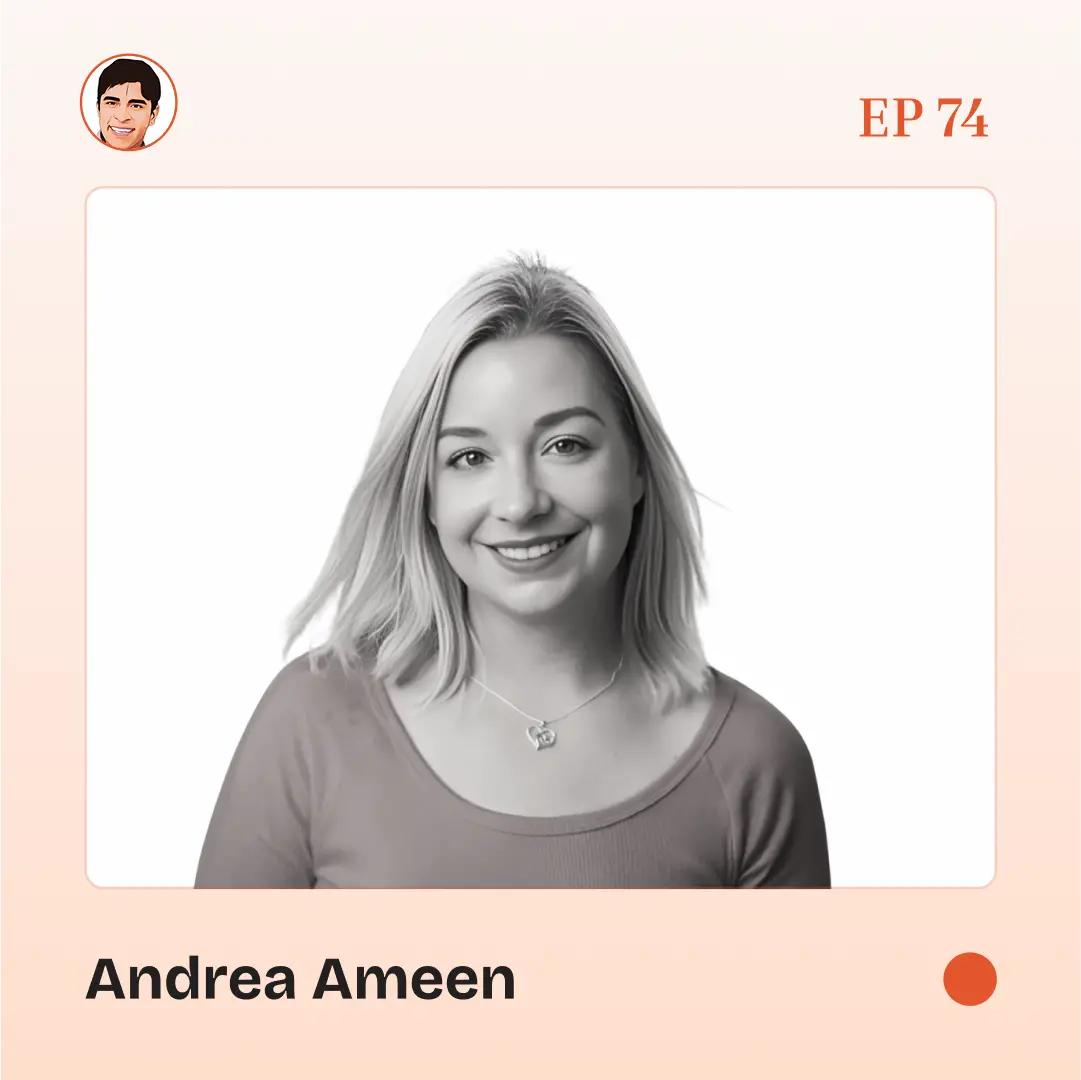
01/30/2025 1:02pm
Personal Update: We're Building a 10,000 Sq Foot Memory Care Mansion | Ep 74
Today I'm joined by my wife Andrea to discuss our exciting new venture into residential assisted...
➡ Episode Page
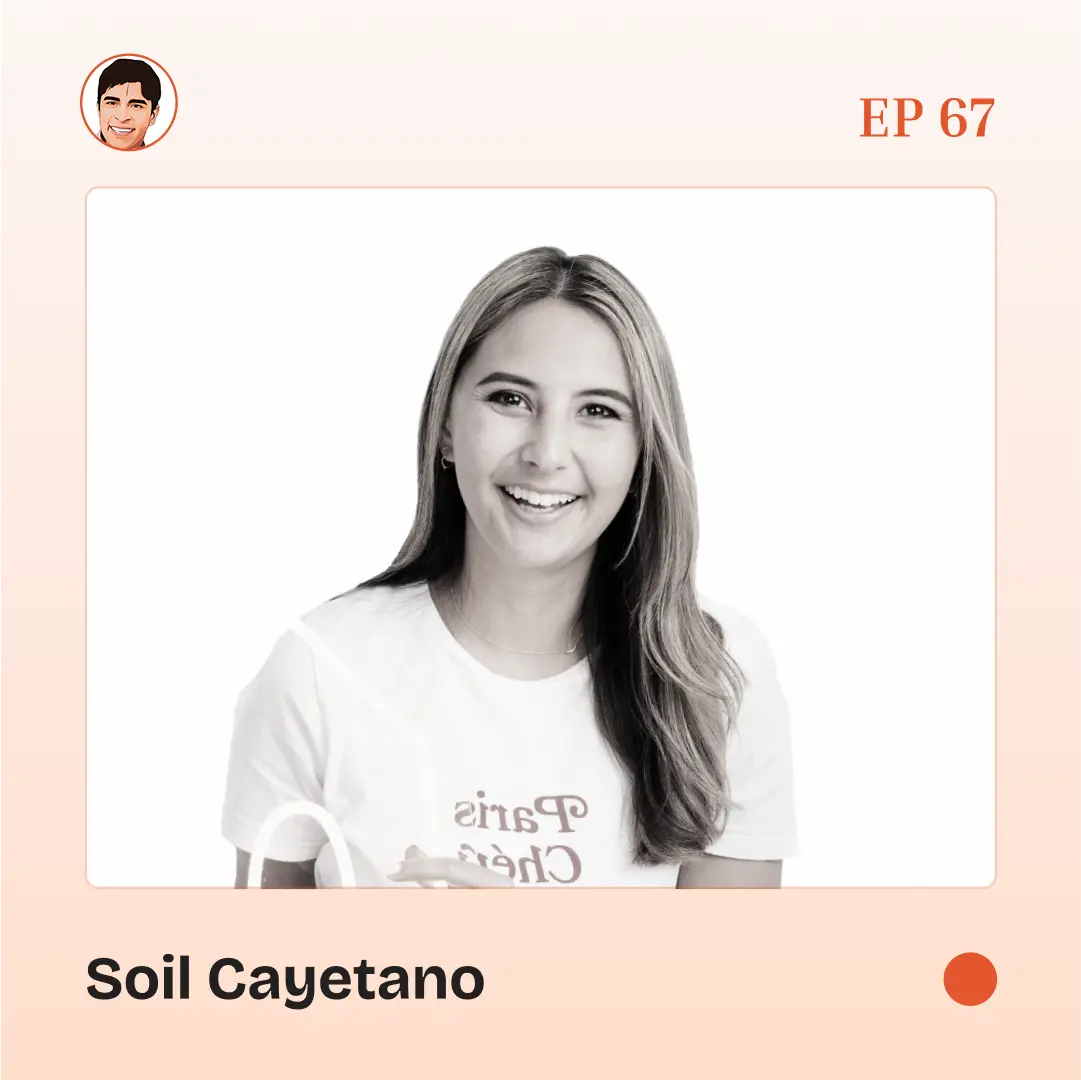
12/23/2024 12:30pm
Out-of-State Investing: 45+ Properties in Less Than 4 Years?
Out-of-state real estate investing with Soli Cayetano, a 26-year-old investor who built a portfolio of 40+...
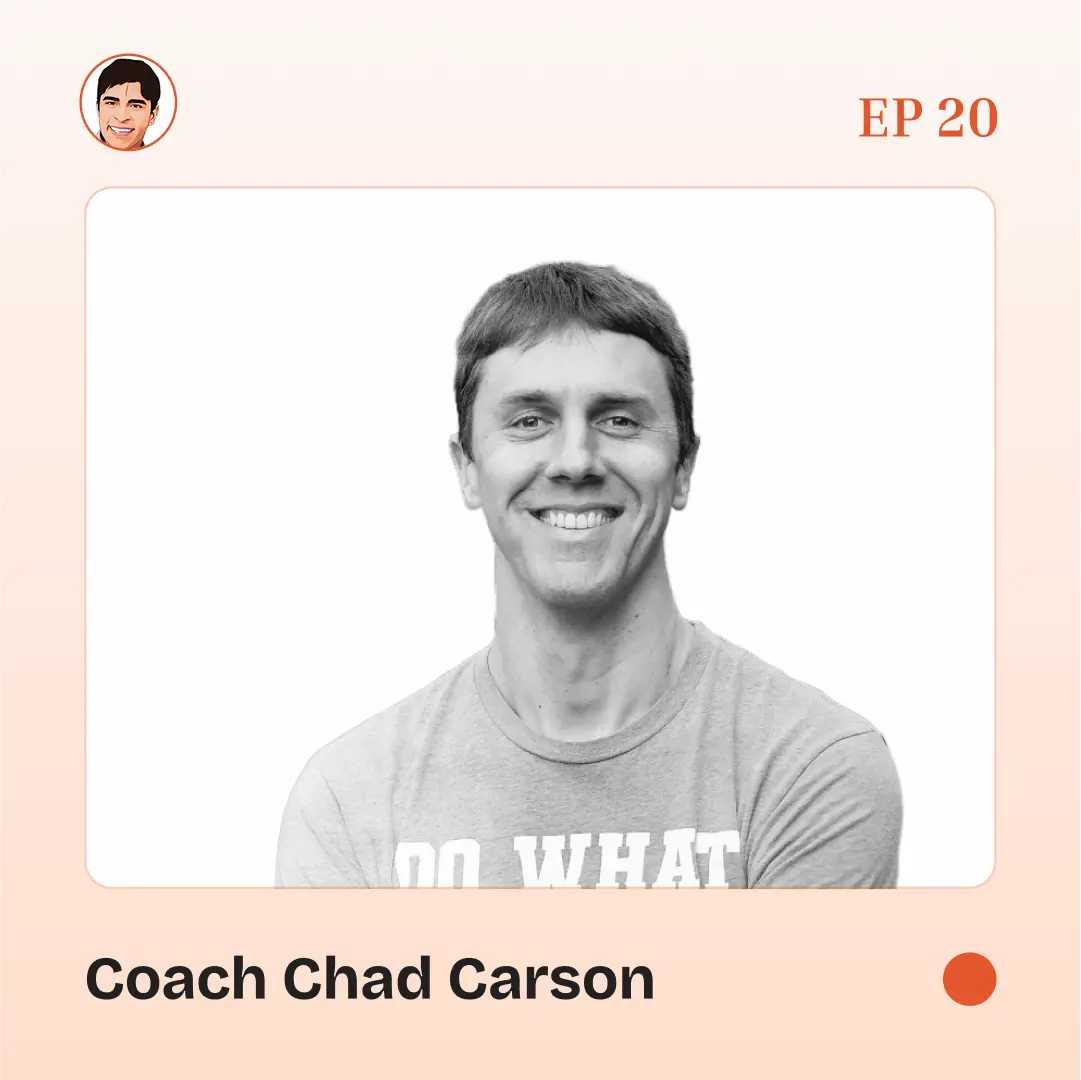
➡ Episode Page
01/29/2024 1:31pm
Chad Carson: From Flipping Houses to Family Focus- Coach Carson’s Real Estate Evolution
In today’s episode of the Hybrid Real Estate Professional, we have real estate guru and two-time...