

11/07/2025 11:05am
Stop Using Spreadsheets — Track Your Rentals Like a Stock Portfolio with Leah Walczak
In this conversation, Leah Walczak shares her remarkable journey in entrepreneurship, highlighting her unexpected success in her first year, where she sold about $10 million.
She reflects on the lack...



In this episode
In this conversation, Leah Walczak shares her remarkable journey in entrepreneurship, highlighting her unexpected success in her first year, where she sold about $10 million.
She reflects on the lack of entrepreneurial education in traditional schooling, emphasizing the importance of self-made success and financial literacy.
00:00 – Introduction
01:54 – Background & Journey
03:54 – The Birth of GemHaus
11:06 – Target Audience & Use Cases
18:38 – Challenges & Lessons Learned
21:36 – Entrepreneurial Journey & Personal Reflections
32:48 – Networking & Social Media Influence
39:48 – Future Plans
Follow Leah- https://www.linkedin.com/in/leahwalczak1/
Anyone that is using spreadsheets still is stuck in 2001. A lot of newer
investors, they think in terms of rent and appreciation. They think that’s where you make the most money. But it’s
really the numbers in between all of that. They think, I’m going to just buy five or six or 10 rental properties over the
next 10 years. They’re each going to cash flow a few hundred a month, and eventually I’ll replace my income.
One short-term rental equals five long-term rentals in the sense of just rental capacity. in spreadsheets. You
can pull up your Schwab portfolio or Robin Hood portfolio and see everything. But you really can’t do that with real
estate. And I figured there has to be a way.
Welcome back to the Hybrid Real Estate Professional Podcast. The show where we arm you with the tools, tips, and perspective to succeed in real estate
investing and small business without compromising what matters most. Today I’m joined by Leah Walzac, founder of
one of my favorite new real estate software suites, Gemhouse. After years running her own rentals and building a
short-term rental management company, she got tired of jumping from platform to platform to try and keep track of her
business. So, she built Gemhouse to pull everything into one place and surface
simple real-time insights for everyday investors. We’re going to get into Leah’s story, the problems she’s seeing
out in the field, and how she and her team at Gemhouse plan to help investors stay on the cutting edge in the modern
real estate industry. Leah, welcome to the show. Thank you so much for having me. That
was a wonderful intro. Thanks, Aaron. You bet. I um I know we’ve known each
other for I want to say most of the of 2025 and we’ve been kind of exchanging
communication and keeping pulse on each other’s projects and I’ve been grateful to be part of some of the research you
did and the and the beta launch for for Gemhouse. But before we dive too much
Background & Journey
into the product, I would love to just have you introduce yourself to the audience in your own words.
Yeah. So um my name is Leah and I started this company called Gemhouse
which is an AI platform uh for real estate investors. Prior to that I was
heavily in operations. I actually started my career in Los Angeles selling real estate and I sold real estate for
10 years and sold about 200 million until I moved over to Phoenix, Arizona.
And I saw a niche on that market for the short-term rentals. So, I started a short-term rental management company
where we managed a lot of Airbnbs and VBOs and we would curate the entire
guest experience and then manage and ended up expanding into a full service brokerage. Um, scaled that very quickly
within the first 12 months. uh revenue was above 2 million um just in the first
12 months and then did that for another 3 years until I ended up exiting uh earlier this year and that’s when I
truly was heads down building uh our software platform Gemhouse which uh you
were a part of during the beta launch and asked a lot of uh questions. You gave really great feedback. So we just
launched October 1st and have been uh rolling since then.
Congratulations on the launch and also the the prior success with the short-term rental business. And from
what I know of your story and what you just shared, you have a range of perspective from kind of long-term
rentals. Short-term rentals are are not easy to run. They’re not easy to buy and sell or to understand, right? They’re
really kind of fully functional businesses with a lot of stuff going on. So, um, between that and all the market
research you did, I, um, I am very confident that that you really understand today’s real estate market,
which is a really interesting, this is a really interesting time to be a real estate investor. So, I think, you know,
The Birth of GemHaus
first and foremost, I’m curious, what was the initial problem that you saw
that you wanted to solve with Gemhouse? Yeah, as a operator and you know prior
investor myself, there was a huge gap in the market with the different types of
portals that were out there. It felt like everything was scattered and living in their own little silos and you just
really didn’t have a grasp on how your portfolio was performing in any real time. So I realized we have to fix this.
This is just crazy how inefficient uh the real estate market is for investors
and you can pull up your Schwab portfolio or Robin Hood portfolio and see everything in in any given time but
you really can’t do that with real estate and I figured there has to be a way. So started building it. So, it’s
kind of like trying to emulate the experience of how people feel when they’re looking at a stock portfolio or
they get kind of real-time analytics on how their different positions are performing and where they in real estate
it’s a little different because in stock you don’t have any real control over the outcome. But in real estate, you have a lot of influence over, hey, this house,
you know, maybe it’s below market rent or maybe it’s um maybe it is appreciating very quickly and you have a
ton of equity that you could tap into. There’s there’s all sorts of insights you can extract that you might be able
to act on, but if you don’t know about them, then you won’t be able to act on them. Is that kind of the the vision?
Absolutely. I couldn’t I don’t think I could say it better myself, honestly. That that’s exactly it. There’s a lot of
uh data points and just insights that uh investors are missing every day and they
if they acted on it quicker, they could save thousands of dollars. And yeah,
that’s that’s exactly the reason that we built this. So, what are some of those kind of key
performance indicators that you guys track and and then also is it like you you log in and I’ve seen behind the
scenes a little bit, but describe to the audience like dashboards like what what is the visual experience of of using
this? Yeah, so I mean we we have a lot of different types of data points and
insights. So you can see anything from kind of the high level just like market value and and equity um down to your
personal transactional trends um expenses and and income and where you
can adjust things here and there. And I would say like one of the biggest um
insights that I think that a lot of investors miss is really debt to equity.
Uh, a lot of newer investors, they think in terms of rent and appreciation. They think that’s where you make the most
money. But it’s really the numbers in between all of that, right? So, if you
can refinance your one of your properties, you could save potentially, you know, thousands of dollars within
just a year itself just for repricing uh your your capital on your property.
Yeah, it’s really interesting. I feel like at the beginning of most people’s journeys, they think, I’m going to just buy five or six or 10 rental properties
over the next 10 years. They’re each going to cash flow a few hundred a month and eventually I’ll replace my income.
And what happens over time is that as markets, you know, appreciate and uh you have all this equity that kind of gets
trapped in there, you start to look at, hey, actually maybe this money is this equity is not being put to its highest
and best use trapped in there. and maybe if I access some of that and either buy more properties or diversify into
something else, then I can get a better return over over time. And if you if you
don’t pay attention to that stuff, then you could be leaving a lot of potential on the table. So, I love that kind of
predictive exactly it. Yeah. Looking around the corner and kind of seeing what what could I be doing
that I might not otherwise have been aware of. So, what kind of data do you guys pull in to illustrate that? So, I’m
I’m going to share one other like kind of thing that I’ve always thought about, which is Zillow estimates. So many
people put a lot of uh a little too much stake in those in those algorithms. And
I’m just curious, where do you guys pull your data from? And how do you feel confident in in the numbers
that you’re seeing? Yeah, we’re pulling data from multiple different sources and
then using our own proprietary data and our own algorithms to come up with the best truest numbers that we can. Of
course, there’s going to be certain like edge cases here and there where it’s
going to be a little bit more difficult. Uh, you know, if there’s a beach property that has some weird
non-conforming type of units and things, that might be a little bit more difficult. But generally speaking, most
properties uh we have that true number indicator uh for the user so they can
feel confident and comfortable knowing that they’re getting real the most real data other than just you know estimates
which isn’t terrible but we have more data than just Zillow.
I like Zillow as a single data point out of many right. Um it’s always good to cross compare. So, do you have just kind
of one number that’s driven by all the things you just mentioned or do you have like, hey, here’s what Zillow says, here’s what Redfin says, here’s what our
internal algorithm says, like what what is the u experience of kind of taking in
that data? Uh, so for us, we we utilize, you know, public public record data, MLS data, um,
our own, you know, internal data. So we utilize a different type different types of data and then we have you know the
type of algorithms that’s going to either track uh depending on the property again like if it’s some sort of
like oddcase property we can pull nearby neighborhood type of of data versus uh
something that’s going to be directly the address utilizing past data and appreciation and uh comparable
properties. So we we take everything into consideration, not just, you know,
here’s a property with three beds and two baths. It’s going to be this much. We we taking a lot more into
consideration to pulling those numbers. Yeah. Broader market data, price per
square foot, uh different comparable sales. And I’m sure for rent too, do you guys have uh data to help estimate? I I
think that’s part of what I saw when I was using it is that hey, this there was a very clear indicator of, oh,
this is below market rent. you’re charging 1300, but market rent could be 1,400. Those are also um like rental
comps you pull through as well, correct? Oh, yeah. Yeah. So, we do have rental comps as well to be able to benchmark uh
the the market values for the investor. Uh because we’re not just pulling the property value in itself. We’re we have
all these other type of uh data points to be able to have those type of insights uh to take action on. So
whether it be uh rental data that is trending upward or even downward, you
want to be on top of it so that the next time that you are renting it out, you’re catching the market very quickly and not
missing out on those opportunities. Makes sense. And who is kind of your ideal customer? Is it the person that’s
Target Audience & Use Cases
got a handful of rentals? it’s kind of grown a little bit too much for them to track on their Excel spreadsheet or or
like you how you described how you’re hopping from one platform to the next. Is is it someone who’s looking to kind of consolidate the experience so that
they can have better insights? Is it are there short-term rentals, multif family? Like what is the breadth of like uh of
of your target audience? Every anyone that is using spreadsheets still is stuck in like 2001. they need
to they need to upgrade to a platform, you know, like ours. So, uh, but more
properties will make more sense because that’s where more of the pain point comes into play. So, I mean, one or two
properties, you could still use the platform, but it generally speaking, people tend to have more of a grasp just
mentally on um a couple of properties versus say 10 or 20 um even 50
properties. uh they mentally you can’t just retain all of the the data and uh
stay on top of it especially if you’re a working professional and you have other jobs. Uh you really want to have
something that is going to be collecting all that information for you in one place so that you know what to do and
and you’re not waiting until the end of the year in tax season um having your bookkeeper send you all of the numbers
and everything. Um so so truly um short-term rentals have a lot more
involved. So I would say that generally like one short-term rental equals five
if you know long-term rentals in in the sense of just rental capacity in spreadsheets. Um you could you you could
be spending uh 20,000 a month in expenses easily on a short-term rental
uh versus a long-term rental. So, uh, to answer your question, uh, I would say
short-term rental, long-term rental, multif family, um, as well, uh, but probably the more properties, it makes
more sense for the user. Makes makes sense. And so, would this also be a tool that would be useful for
someone who’s flipping homes or doing kind of shorter term holds, or is it mainly for that buy and hold investor
across those different asset classes? Yeah, it’s more for the buy and hold investor. Um, if you’re if you’re
short-term, of course, you can I think it it would be great to be able to keep track of your properties and the market
values as you’re you’re flipping. Uh, but there’s not really like um there
there we don’t have tools for, you know, flipping or or tracking the the timeline
of of when they’re going to be complete. But it’s great for watching uh the debt versus the values and um preparing it
for the market. Yeah. Yeah, and I will say having participated in in the beta and and used
it even after the launch as well, it is one of the smoothest UIs that I’ve seen and um you know that does mean a lot
especially like you said for that busy professional. You know, I’ve got a day job. I’ve got young kids. I I when I go
to look at the portfolio, I want it to be a smooth experience. cuz I don’t want to have to be clicking around and fumbling through even just being easy on
the eyes and like and and having being able to track and follow different menus and stuff like it it feels really good
to use and um and I think I I alluded to this earlier, but one of the things I admired most about getting to know you
and also just watching you build this product is just how thoughtful you were about gathering information from actual
investors, right? Like you didn’t just build what you think people want. actually went out and validated that and
even if I recall um you know to the extent you’re willing to share you you kind of got pretty far and then you even
pulled back and kind of went back and and reinvented some of the back end um in response to some of that
feedback. So I’m wondering if maybe you can share I think you have a very unique perspective because of all those
conversations and all that research you did. I wonder if you can share some of the most interesting things you learned
uh in that discovery process and then also kind of how that informed what is now um Gem House. Yeah. So when I
started building uh and this could be a very long winded answer, but you know
this is it’s the it’s the most fun part is building. Um so when I started building the the product, I knew what I
wanted it and needed, right? And but I knew I’m one person and what I want and
need might be different than what other people might want need. And obviously when you go to market, you need you need
a lot more people to want to use your product than just yourself. Um, so I
launched a beta launch um, a few months prior to actually launching the product
and and you were in the one of the beta launches and selected a handful of of
different individual investors uh, with kind of different uh, demographics on how many properties they owned and where
and locations and had discovery calls with each one of you and uh, discussed
you know your different pain points and what you really needed. And there there is a lot of pain points in the operation
side and um gathering all of that information and consolidating it into
okay what are we you know there’s a lot of different things that this beta beta
group wants like what what should we what’s the best move here? Um, so kind of prioritizing different things and um,
then going back to each bid, asking them, okay, can you take a look? What do you think of it this way? Is this what
you is this something that you would really want? Um, on a scale of 1 to 10, how much do you want this um, added?
Would you use it daytoday? So all of these type of questions are in uh the discovery and just ongoing discovery
calls as well because the beta launch only has a certain amount of beta users
and it’s you sometimes you think okay this speaks for everyone this speaks for
all individual investors when it’s really just a very small group. um you
can only get so many beta users uh to be giving certain feedback and then when
you launch you realize okay we might need to adjust or iterate um based off
of the new feedback that we’ve been getting. So it’s a definitely a process and it’s more of a painting where you
can constantly mold it than anything. Yeah. I I love the way you kind of described this. It started with you
already had an idea of the problems that you were having that you wanted to solve from your own experience. Then you went
out and got what you hoped was a representative sample, right, of of people uh myself and several other investors
that you said, “Hey, these people are doing something that’s similar to what I believe our users will be doing.” You
gathered all that information, but like you said, you never really know until you bring it to the full public market
um what people are going to need or not need. And I just think it’s really interesting just not not only from the real estate perspective, but like the
the business owner perspective, the cycle of validating a product and
especially you’re entering a pretty crowded field, right? There’s a lot of software suites and um and services for
real estate investors. U but but again, that’s why I kind of I applaud you for being as thoughtful as you were about
com making sure it was fully fully baked and thought through before you actually brought it to market. And um right
you’ve been live you said for so October 1st you launched at the time of this recording it’s October 28th so almost a
month. What um what are some of the biggest lessons you’ve learned after going out of the beta and into the
Challenges & Lessons Learned
public sphere? Oh that is a great question. Uh lessons learned. You can never launch too early.
You really can never launch too early because no matter how many times you
iterate prior to launch, you’re you’re going to continue to iterate after
launch. So you can never launch too early. And I think like you said how thoughtful we
were with the design and and the product itself. It is amazing. And I’ve I’ve
heard from, you know, other founders that have been repeat founders that were
I’m in the top 1% of of product.
But it just it goes back to you have to you have to launch to see what people
really need and want. Uh versus just building and building and perfecting a
beautiful product. Uh because really when you launch it should be messy. It should look probably like crap,
but also real estate professionals again like we it is in a a crowded space with a lot of other different software. So
you do have to differentiate yourself. You do have to make it a bit more refined
uh and and gain that trust from that individual investor community.
Yeah, I don’t think the iteration journey will ever end, right? um not if not if you’re doing I mean you kind of
have to innovate and iterate or you know likely fade right because everyone else
in the field is going to be continuing to do their own research and their own improvements and their own enhancements
you know AI a lot of these kind of legacy tools that have been around for 10 15 20 years now they’re revitalizing
themselves with all these a applications of AI and um so it’s I’m sure it’s a bit of an
arms race to try and compete with all the different features and function And um and to your point, it’s like once
you go live, then you start to get more and more feedback and if you have a responsive team that’s really paying
attention to that feedback, I’m sure you can continue to kind of build on top of that and try and meet people where they
are. Do you have a full kind of product team or like what is the team behind behind
the the software? Well, uh me first and foremost, uh as a
a solo founder and I have my founding engineers and uh a team of engineers and
a product designer. So, uh we will be growing uh very much in in the near
future, but for now um have been sprinting very quickly ahead. So it’s
just right now uh speed is our strength and I don’t want to slow us down if you
know we don’t have to. So uh we’ve been just rocking and rolling with a very small team.
That’s awesome. So now I want to get a little into just like the business owner journey because you you had a business
Entrepreneurial Journey & Personal Reflections
before that you built right scaled and exited. Are you a um serial
entrepreneur or was entrepreneurship in your family in your blood or how how did this happen?
I know. I know. I think I was just born with like this rebel DNA. I don’t know
where it came from. Um but I do I do have I guess a bit in my uh dad’s side
of family. Um they when they moved over from Poland, they actually started a
waste management company. So they that’s very entrepreneurial um you know in
itself and starting in a a place that you you don’t know at all. Um and then I
guess I did that throughout my entire life. Um I actually uh dropped out of
school after a couple of years uh just because I I really wanted to get started. I wanted to just start building
right away. I wanted to get out there and and explore more than what school
was really teaching me. Um, I felt like that was kind of holding me back. So,
um, I, as a sales agent, you really are your own business. Um, I would say that
a lot of agents are very entrepreneurial um, in that sense. But once I started uh
seeking just kind of other opportunities, that’s when I wanted to build, you know, my own company and
build my own brokerage. Um start building a software product and um yeah,
so I started as an agent and just kind of really started building up my career there. And then once I moved to Phoenix,
uh, started to have a little bit more of a different perspective of what I wanted to build and where I wanted to head.
Awesome. Yeah. And and agent being an agent means different things to
different people when they picture it in their head. But one common, you know, through line that I hear from everyone I talk to is that it is not a predictable
steady job. You have to create your own success and you have you do have to be entrepreneurial. And I think some people
enter it with the idea that maybe it’s a little more standardized than it is, but
it can be pretty grueling to get off the ground. Did you have um did you have a mentor or someone that kind of brought
brought you up or that you you studied with and um to learn how to create that initial success?
Yeah, with with my where I started in my career, I I think my strength has always
been observing observing and asking questions and I would just see what would work and I
would also try things as quickly as I could to ch adjust if I needed to. Um, I
think that like speed of of just kind of iterating on a on like what’s going to
work, what’s not going to work. Um, so it’s the same, you know, for a product. So, uh, it’s the same with life. You
just have to keep trying what works and what doesn’t. And, um, I took courses,
uh, you know, for sure. When I started real estate, I was 20, 21 years old. I
would feel like I was a child at that time. And, um, everything was new to me.
So, I remember I started door knockocking though within my first year and I didn’t even know the the area. I
was walking around like a a dummy. But, you know what? I end up selling uh
about 10 million the first year. And as you know, someone that when I was
that young, I was looking at checks and I’m like, “This is crazy. Wow. Oh, I’m, you know, I didn’t know I could make,
you know, this much money from from just selling, you know, real estate. And, um,
you know, in in school, they don’t teach you those things. They don’t teach you to, um, be entrepreneurial. They don’t
teach you to make your own way. And it’s very curated towards a certain path,
which is not a bad thing um, for a lot of people. it just wasn’t the right fit
for me and what I wanted to do and how I wanted to live my life. Yeah, that’s that’s incredible. I I feel
the same way. I studied entrepreneurship in college, which is ironic because usually you would just go and start a
business is is the best way to study entrepreneurship. And I’ve worked a traditional 9 toive job since I graduated from college, but
I’ve also, as you know, been entrepreneurial on the side. And that’s kind of the theme of this show is the
hybrid real estate professional is someone who leverages, you know, skills, income, knowledge, and um and
connections from their other occupations and uses it to succeed in real estate.
And um in your case, I think it it it doesn’t have to be a W2 job. It doesn’t have to be a 9 to5. You follow the same
pattern kind of over and over again. You had proof of concept. You you did the door knockocking, you got your first check, then you’re like, “Okay, well,
maybe I can replicate this.” you validate it with the broader market and then you try and scale it into a real business and you’ve done that now not
one but two two times you know complete to exiting and then now you have a third
business and and I’m sure just getting those reps and and applying it in these different contexts makes you a much
stronger founder and business owner much more sure of yourself because you’ve been able to prove these different
things to yourself at different chapters of your life and especially starting kind of at uh age 20 and
A lot of people don’t necessarily even get the idea to do these things until maybe a bit later
and which is fine too because the great thing about entrepreneurship you can start at any time you know you could you
could be on your deathbed and start you know start something. So it that it it’s
definitely not the you know a path for everyone but if someone is interested in
entrepreneurship and they have a W2 job like it’s you can build something on the side you can invest in in things you can
there’s so many options out there available to really anyone um but yeah I
think that it did give me a lot of the confidence because I started so young it it gave me a higher risk tolerance I
think so when I had started the short-term rental management company for the first six months I wasn’t I was
negative you know so but then I ended up um having pretty high revenue for the
first within the first 12 months so you just have to have that confidence that you’re going to get there um even if
it’s it’s scary in the beginning because you you just have to go for it.
Yeah. I feel like in almost any context, the first 6 to 12 months of a new business, you got to be prepared to
weather some emotional volatility, financial volatility, and um I’m sure
there were plenty of very challenging moments and some that probably made you question what you were doing. So, on that note, I’m curious if you could
maybe share. We’ve been talking about all the positives and all the um you know, type of success you can see if you
if you put your mind to it, but I’m sure there were some drawbacks or some challenges. I’m wondering if um just in
general across this journey if there’s anything you’re willing to share of um you know moments that you’ve conquered
some fear or or push pushed past some challenges. There have been there were so many
moments um throughout my entire career where you know I was ending ending the
day in tears. I mean that happened many times. Um but I think you grow stronger
each time and you really grow resilience to that. Uh, I would say like in Los
Angeles in in real estate, selling real estate. I mean, there were certain deals
where I worked so hard to get that deal and it end they ended up going with, you
know, a different agent for whatever reason and uh you’re like so you’re you
work so hard on it just to even get in front of them and whatever it was and then you’re just like ah you’re so
frustrated. And when I was doing the short-term rental management company, um
something new to me was managing people and teams and uh growing in that sense.
I I learned so much because I was going from a independent entrepreneur now to
building a company and and uh that had team members and everyone had different
roles. So, um, learning how to give some of of like tasks to another person. Um,
and then also managing them, making sure they were doing a great job. Um, you know, there were a lot there was a lot
of frustrating moments during that. I’ve had, you know, hired someone that I I
taught a lot to and then after, you know, six months they ended up like leaving or whatever it was. Um,
frustrations with that. uh frustrations with uh customers that you know they end
up like going somewhere else after you know a couple of years of of working
together and you just go through these es and flows a lot and I think like you
have to have pe good people around you to remind you at the end of the day like it’s not everything that matters and for
me it’s uh my faith in in God and um praying that I get through get through
everything and uh even meeting with new people I’ve you know ask like speak
through me guide me in the right direction open the right doors and that is something that really grounds me and
gets me through my entrepreneurial journey. Yeah that’s beautiful. I think it’s
interesting as an entrepreneur, it’s such a personal thing, right? Like you you are giving yourself into it’s very
different than clocking into a job where you you know you’re there to make your paycheck and maybe you have you have rel
good good relationship with some of your co-workers but you’re not invested emotionally. It’s not yours. You don’t
own all the upside that comes with it and the downside if they fail, right? Like um yeah, it’s just a very different
experience pouring your heart and soul into something. I can see when you’re talking about I spent 6 months, you know, grooming this person and pouring
into them and then they leave. And it’s it’s hard not to take that very personally. And I’m sure it takes, you
know, one or two. It takes experience. Like you can’t skip that step of gaining that perspective until you actually
manage people, until you actually do have to hire. You do have to fire. So it’s I don’t know if you if you feel the
same way, but I feel like there’s no real way around gaining that in in the real world. If you don’t, it’s not worth
it because h you’re not growing. And I think that anything really worthwhile.
You really have to kind of suffer. You have to suffer through certain things and to make it really worthwhile and
otherwise everybody would be doing it, right? And um I think that when you know
that you’re building something that you want or building towards a life that you want, it’s always worth it.
Yeah, absolutely. You know, one other interesting thing, uh so we met through a mutual friend who introduced us on X,
Networking & Social Media Influence
right, social media. And it’s an interesting Yeah, it’s funny how that works, right? And then um it was he knew both of us
independently and he was like you guys should meet and of course we met and then we immediately realized all these different things we had in common. But
what’s interesting about this modern world right is that social media is a pretty big part of how people getworked
and how you distribute information. One thing I’ve I’ve liked about you know following you and and um and getting to
know you is it you actually have a very fluid uh way of expressing yourself online. Right. It’s not um like for me I
I I run an academy. I have all this different stuff and I’ve struggled sometimes like sometimes I’m like super
personal and just like go off on the things that are totally unrelated. Sometimes I’ve been too rigid about just
you know where it’s almost like I I I express myself in a way that’s a little too formulaic and I just think you have
a very good organic voice and I’m curious like um I don’t know how did you
develop that skill? I feel that’s pretty rare. Oh my gosh. Okay. Well, um I’ve been practicing re refrating myself from
posting a lot of the stuff that I normally do because I think that I would post a lot of random funny
things that came to my mind and I thought it was funny and I’d post it and you start to realize that people
remember these things that that’s how they remember you and uh you know you
you want to you don’t I also realize how many like followers I end up gaining
kind of quickly um over the past year. And I had to real I I realized okay like
there’s a lot of like top CEOs like there’s a lot of people seeing this
potential uh customers and and users of the platform. I need to be a little bit more careful of what I I am saying. I
don’t think that uh just random 10-second posts that I I’m I’m
scribbling with my fingers and and and pressing send uh you know, it might not
be taken the right way. And so I I’ve definitely started to curate some of my
posts a bit more than I used to. I used to be a lot more fluid and just post everything. Um but now I’ve I’ve yeah
I’ve kind of reigned in things. It’s an interesting observation though, right? Like you said, you’re gaining a lot of
followers by being organic and fluid and kind of speaking your mind and then you start to realize like, hey, you know, as
a founder and as a representative of this brand, there’s certain things you maybe don’t want to say or you don’t want to be thought of. And the point
about people remember stuff that that is very real. It’s a it’s a on the internet. And it’s fascinating
how people can dig stuff up so quickly if it’s something that maybe didn’t register with them. Even if you delete
it, it is it is not deleted in their mind. It is still there. So, yeah. Well, for whatever it’s worth,
I’ve never seen you say anything that uh was a deal breaker for me. I I’ve always enjoyed um following you.
Oh, thank you. Likewise. Same. Yeah. I’m really happy that we got connected on Twitter and shout out to your friend
that that uh commented your name and in one of my posts and we got connected.
It’s been so great. And things like Twitter can bring people together so randomly. Yeah, some some of my dearest,
you know, friends of of the recent chapter of my life have come from kind of cold connections or even maybe just
warm intros, whatever it is. Um, and it’s it’s pretty amazing. It’s I actually view it as a little bit of of
both a feature and a bug. The feature is that you can go and meet people. You and
I probably would never have encountered each other in, you know, walking around our respective towns because we don’t live anywhere near each other. So, it’s
great that you can meet like-minded people and build relationships. The flip side of it is that everyone’s in their own little world and you you can
insulate and and um not engage with your local community the same way that that
people might have. I think it’s still we’re still largely better off for it because we can grow and innovate and
build deeper relationships with people that do have common beliefs and values. But there is a um a flip side to that
coin too. I don’t know if you if you have a any perspective on that. Yeah, I I think um I I just think it it
is an easy way to meet people across the country or even across the world. And um
I was invited to that that real estate Twitter event uh gala. Uh shout out to
uh real estate trend and or strip mall guy. And um you know it was fascinating
the amount of people that I met so quickly through that alone. And I would not have uh been invited to that event
if it wasn’t for Twitter. So, um, yeah, it’s just it’s fascinating the people
that you can meet and where it can take you just through social media alone. And
but it’s also like it you have to treat it as though you’re meeting someone in person. Um, you know, you have to
cultivate that relationship. You can’t just uh, you know, send send out a post
and expect to to gain um, a lot of these type of relationships. You have to put work into it as well.
Yeah, it’s a long game. I mean, I um I I can think of several examples in in my
life. I don’t have a huge following. I’m not some I’m not anybody really, but I I It’s getting there.
There are people that have followed and, you know, they they comment regularly and they ask questions and then when
they do finally, you know, send me a DM and says, “Hey, you know, I have this very specific question. I’ve been
following you for a little bit.” I’ll answer, of course, right? And and sometimes I’ll even jump on a call or I’ll invite them into something that I’m
doing that’s relevant. And like that’s how you build I’ve built a lot of relationships that way just by like you
have to give and like have the attitude of giving before you just try and think of like oh what can I take from this
person and the best form in my mind is is altruism right which is giving with no expectation of anything in return.
And I, you know, that’s served me well in in in my life. Um, and I’m sure, you know, as a founder, as a building a
personal brand, building a business, um, you know, that’s that’s I’m sure largely going to play out in the market for you,
too. Totally. I think connecting I’m I’m big on connecting people together. If I know
that, uh, you know, someone would uh, benefit from connecting with another
person, I love introducing people together. And I I probably do that daily
if not, you know, every other day or something because um it’s it’s helped me
so much. I appreciate it when people introduce me to others. Um and if I can
do that and it’s helpful towards them and their career or their life, I just I
love doing that too. So I think that’s a little giving a little bit of the giving back alter.
Absolutely. So, what are some just kind of looking around the corner to 2026? What are the things you’re most looking
Future Plans
forward to both in your business and um and and otherwise?
Yeah, in the business, I mean, we’re just going to be growing immensely over the next 6 to 12 months. uh creating
deeper integrations and uh building out more features, making it more robust and
uh providing for large teams and organizations and firms. Uh so that’s
for sure my my most number one priority is my is Gemhouse and building that out
and um but also staying fit and being
close to God. Those are my top top three priorities. I love it. Like we talked about as an entrepreneur, it’s all
related, right? Like the stronger you are as a person, the more connected you are, the better you feel, the the better
you’ll be able to pour into the business and serve the people that that you built to serve. So, yes, you have to feed yourself and your
soul and keep going. Yeah, absolutely. Well, I am a again, I’m a user of the product. I was part of
the beta. Um Leah and her team are extremely thoughtful and I’m excited to see where it goes too because like you
said the iteration has only just begun as you hit the public market and start to get the feedback and so if people
want to learn more sign up um book a demo whatever whatever um way they can
reach you what’s what’s the best way to find you? book a book a demo uh through the through gemhouse.com and it will
most likely be me uh providing the demo to you and uh really discovering more
about what your needs are as a investor. Um so yep, you can book a demo straight
through through us and um happy to happy to share more information if you just
reach out to me as well. Awesome. And that’s gemhouse h a us not
h o us. So, we’ll we’ll make sure to put all that in the show notes. And a little teaser. Leah and I talked before we hit
recording. We’re going to um do a little product uh demo in our community as
well. So, I’ll um I’ll link to that once we do it and then we’re going to get that on the books here real soon.
Very excited for it. Well, thanks so much for the chat, Erin. I I loved this and excited to do uh the demo and more
together. Sounds good. and we’ll have you back on again in the future so we can talk about some of the other stuff that you’ve uh
learned um down the road. Yes, absolutely. Awesome. Thanks again.
Thanks. Bye. Thank you for making it to the end of today’s episode. As you may know, podcasts are very difficult to grow
organically. If you’re getting value from today’s episode, I’d deeply appreciate if you could take 30 seconds
to leave my show a fivestar rating and review. This will go a long way to helping me reach more listeners just
like you. Thank you so much in advance.
Most Popular Episodes
First time here? Explore some of our fan-favorite episodes.
01/30/2025 1:02pm
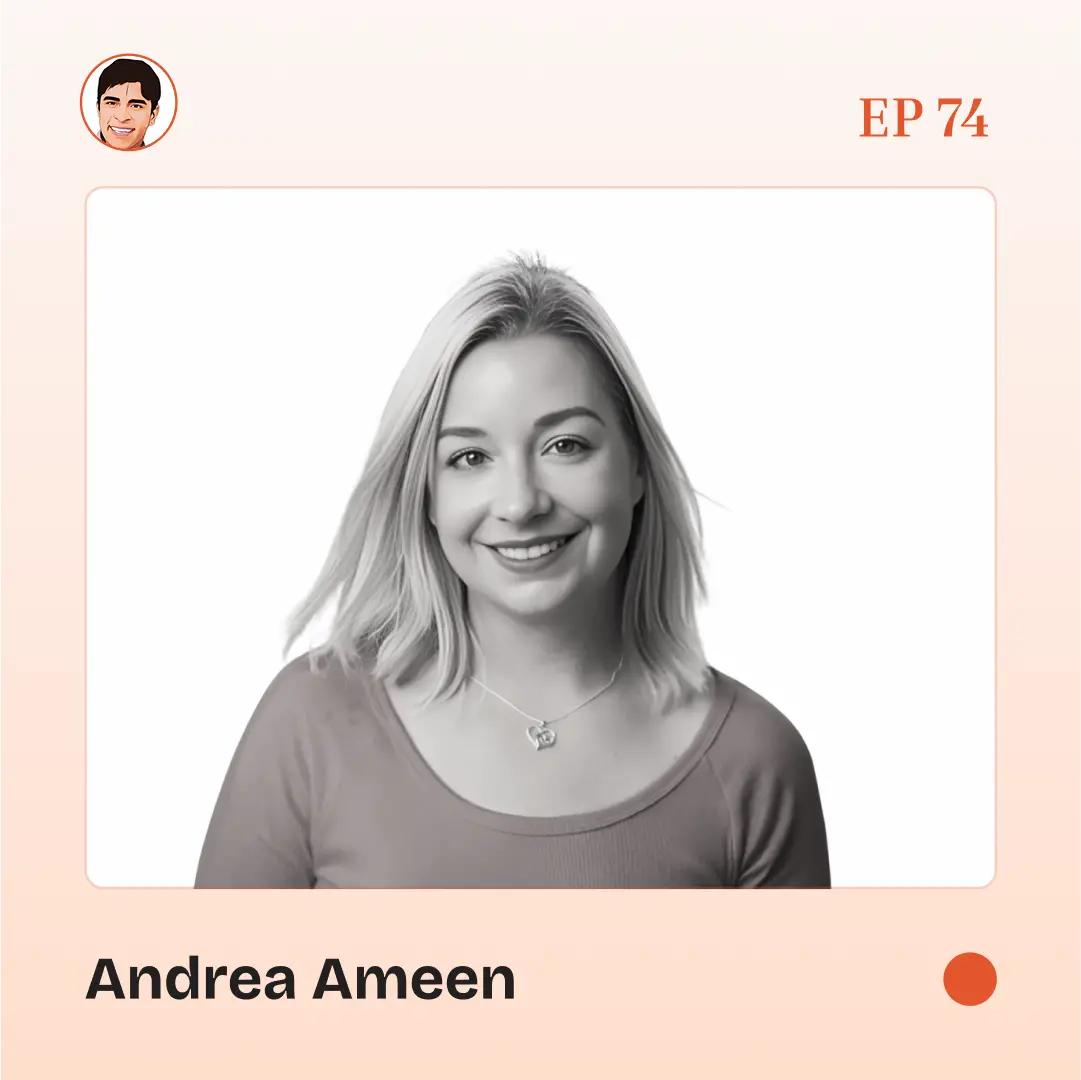
Personal Update: We're Building a 10,000 Sq Foot Memory Care Mansion | Ep 74
Today I'm joined by my wife Andrea to discuss our exciting new venture into residential assisted...
➡ Episode Page

12/23/2024 12:30pm
Out-of-State Investing: 45+ Properties in Less Than 4 Years?
Out-of-state real estate investing with Soli Cayetano, a 26-year-old investor who built a portfolio of 40+...
➡ Episode Page

01/29/2024 1:31pm
Chad Carson: From Flipping Houses to Family Focus- Coach Carson’s Real Estate Evolution
In today’s episode of the Hybrid Real Estate Professional, we have real estate guru and two-time...