

10/24/2025 10:30am
The Relationship Capital Playbook (That Funded Our $13.4M RAL)
⬇️ Video not yet available for this particular podcast. Kindly enjoy the podcast via the audio below. ⬇️
On this special cross-post, I join my friend Haydynn Fike on The Art of Connecting to share how my wife and I pivoted from rentals to launching Everwood Reserve—two boutique...



In this episode
Welcome back to the Hybrid Real Estate Professional Podcast. Today’s episode is a special guest appearance I did over the summer on my good friend Hayden Pike’s podcast, the Art of Connecting. For those who don’t know Hayden, he’s what I consider to be a super connector. His podcast focuses on interviews with people who have successfully found ways to add value to those around them and create win-win relationships on their way to pursuing big, ambitious goals with real estate and small business.
We talked through our Everwood Reserve Assisted Living Development Project and some key personal mindset shifts and relationships that made it possible. Hope you enjoy the interview.
We’re gonna have over 15 people under employment, you know, from our company. Those are jobs for creating jobs in the local economy. We’re gonna be able to serve 32 seniors at a time.
Welcome back to The Art of Connecting Podcast. It is your host here, Hayden, back with another episode for you guys. And today, this is actually my first time that I’ve ever had a returning guest, Aaron Amee on the show with us.
Aaron and I were just talking before the show started. It’s been about 18 months since we last. We’re on each other’s podcast and a lot has changed since then. My muscles have gotten a little bit bigger and Aaron has grown significantly in the knowledge and assets project. Everything we last have each other on the show, so it’s such a pleasure to have you back on RF connecting, and I’m so excited to hear some of the changes that have happened.
It’s an honor to be back and even more so to know that I’m the first. Returning guest. That’s quite an honor.
That’s right. Absolutely. So if you don’t mind, for those that haven’t listened to your episode, ’cause it was, I think you were one of my first 10 or 15 episodes that came out, if you don’t mind, and especially since the things have changed, just reintroducing yourself, telling people kind of what you’re into now and what you’ve got going on in life.
Yeah, absolutely. So my name’s Aaron Amin. I live in Houston, Texas with my wife and three young children. We have a 3-year-old and 1-year-old twin, so a lot of chaos at the house. These days I work full-time as a management consultant, so I have a full-time W2 job. But on the side, over the last seven years, my wife and I built a portfolio of eight cash flowing rentals across three states.
And last time I was on the show, Hayden and I spent a a bunch of time unpacking that and then also some of the different networking practices that I used along the way to build that portfolio and grow within my career. These days, you know, since the last time I was on, we, my wife and I undertook a big project.
We’re going to be developing two residential assisted living homes. They’re luxury mansions in a suburb of Houston called Tomball. And we will be bringing that to life. We’re raising equity from investors and then we’re, we are getting a SBA loan. And then we’ll be actually operating the businesses once they’re built.
So we’ve made quite a big pivot. I’m grateful to be in a group with Hayden where we get to see behind the scenes as each other is exploring our different paths, and there’s definitely been quite a bit of growth and evolution since the last time we spoke, so I’m, I’m happy to dig into anything that would be valuable to your audience.
Yeah, I think it’s really fun to have something like that because you can go back and listen to our first show after this and hear all the different things that have changed. With Aaron taking the advice that he gives out to you, like just doing what he advises for others to do has led him to, now you’ve already raised over a million dollars in equity in the deal.
Like, how crazy is that man? Like, and 18 months ago it wasn’t even a thing.
Wasn’t even an idea. No, but I, I will say, putting yourself in a room with people such as yourself and all the other folks that we. Surround ourselves with where this is normal behavior, right? Like that’s, that’s ultimately a big influence in, in what led us to any level of success we’ve had, is putting ourselves around other people where this is normal.
And when, when you do that, then you rise to, you know, that, that behavior pattern. And when you face the challenges that in inevitably come with bigger projects, you’re equipped to do so because you’ve been watching other people do it. You’ve been talking to them, building relationships. Observing their successes and their failures and, and, you know, taking that into your own experience as, as you go forward.
So that’s, I have, I have a huge thanks to pay to all the different people that you know are in our group and, and that I’ve been able to learn from before we take this on.
Absolutely. It’s so inspiring to watch. I’m actually wearing one of Nathan St. Peter’s shirts here for the HA hospital in Hawaii. Got go and see what he’s doing.
We’ve had him on the show before and there’s just so many, you know, person after person that I’ve had on the show that it’s just shaking things up and, and out there moving in the world. Uh, and so it’s so cool. Get to get to tell that story and tell the world about that. So I want to hear about your journey on how.
You ended up falling into residential assisted living and maybe if you wanna give like a really quick high level for those that don’t understand what that niche of real estate is.
Yeah. So a couple segments of this answer here. So first, when my wife and I were buying rental properties initially, the second and third rental property we bought were actually bought as a package and they were already leased to an operator that provided assisted living for adults with developmental disabilities.
So we kind of almost by accident, found out about this business model before, you know, when you hear the words assisted living, most people think of a big facility or kind of more of like, like a medical style building. But residential assisted living is this beautiful intersection of, of a residential home and a a care, a care home.
Right? So I actually shy away from the, the, the word facility because the whole idea is that you’re creating an intimate environment that feels more like. Aging at home versus getting sequestered into a, a hospital style bedroom and medicated and forgotten about. So this idea was relatively new to us, but we got them some exposure through those rental properties.
Fast forward five years, you know, we bought those in 2019. Last summer in 2024, I heard Dr. Alex slo, who’s a fellow Action Academy member, go on the Action Academy podcast with Brian and he told a whole story about how. He and his partners had bought several of these homes in that same situation where they bought a home, renovated it, and then found an operator to come in and provide assisted living services.
In their case, they were focused on senior care and that really lit a spark, uh, that you know, hey, we own two properties that are just like that. And we never really thought we could replicate that ’cause we were kind of just right place at the right time when we got those. But once we heard that, not only had they done it, but they.
Started a group focused specifically on residential assisted living. We decided to pull the trigger and join. And from there, actually it really evolved quite quickly. Same thing I was just saying a minute ago, like when you put yourself in a room full of people that are doing something that you wanna be doing and they’re doing it really well and at a big scale, well all of a sudden your ideas and your vision rise to meet that moment.
And we got into the row room, which is a residential assisted living room mastermind group. Once we joined, we started gaming out, you know, what are the different ways you can invest in re in residential assisted living? And to make a long story short, we ended up finding a mentor who has done these ground up developments.
He calls it the memory care mansion. His name’s Brett Shot cva and he and he partners with people across the country to actually take the blueprint of buildings that he’s built. He operates just north of Austin in a town called Georgetown. And take those blueprints. Run, end to end, finding land, developing, starting up the business and operating the business.
And so we ended up kind of growing our vision into what has now become our project, which is called Everwood Reserve. So we’re gonna be building two homes, uh, 16 bedroom, 16 bath each. They’re 10,000 square foot. Really beautiful, beautiful luxury mansions. And each one will have, so we’ll have 32 beds total.
And then we’ll run the underlying care business. So again, it’s just meant to be a homelike environment where we can provide care to seniors. Uh, we’re gonna be licensed from memory care so we can serve people with Alzheimer’s and dementia. The last thing I’ll say on the why is this is also a very personal thing for our family.
My wife had, her father had early onset dementia diagnosed when she was 19. He was in a nursing home for about seven years until he passed. It was a really bad environment. It was sad. It was, it was really hard for my wife to experience going to visit him. It was kind of what I was describing. It was the big smelly facility.
He was sequestered in his room, never really getting any personalized attention, never really getting any engagement or activity. And so she has a really deep desire in her heart to provide a better alternative to that. And so when we put all these things together, right, it, it, it really culminated into the vision behind.
What is now the project that we’re working on. So it was, it was not an instantaneous discovery. It was really several different things stacked across, you know, over the past few years.
Amazing. It, it really just firing the, and it’s funny because we kept up with each other this whole entire time, so I remember, you know, when you first started your community, you’re like, do I keep going with this coaching thing or, you know, I feel like I’m a little bit, you know, stuck.
What do I keep doing? You know, and, and just watching you go all in on this and create it into reality has just been so cool and I’m, I can’t imagine how amazing this is gonna be for you guys. You know, I, there’s a local guy, his name’s Greg Vital, and he doesn’t know me, but I know who he is and he’s one of our councilman I believe, or house representatives for our district in, and he built life.
Care Centers of America, which is one of the larger, you know, nursing home centers. And I got to hear a story one time where he dropped out of high and met someone to talk, you know, that talk to him about start doing nursing homes that was getting any younger. And he took that advice and turned it into a multi-billion dollar empire.
But Greg’s also, from what I hear, really, really genuine kindhearted, nice guy, which is just really cool. If you can go to any of his facilities and you can see that they really care about the people that they have, that they’re serving. And I think that’s the key recipe for success is how do you treat the people you’re taking care of?
They’re not a commodity. They’re, you know, these are human being. You want to be comfortable towards the end of their life, which is really cool that you’re getting to honor their legacy.
Absolutely. I mean, I think the premium care model and being putting the quality of care at the center of the business model is the only real way to, to succeed Over the long run.
There will be insane demand, of course, as the baby boomers age, you know, a lot of people you’ve probably heard talk about the silver tsunami. We are at some point, we already have a supply demand mismatch, but that’s gonna get much, much worse over the decades to come. So we are grateful to be able to build into this demand.
But even what we’re doing, we’re, we’re bringing 32 beds online. The research we did on the area we’re building within six miles alone, there’s already 150 bed shortage as of today. So our, we’ll, we’ll put a dent in that, but we’re certainly not gonna be able to fill the entire gap. And then the other thing I wanted to highlight too is like seeing people like yourself, Lauren Schreiber, there’s a few other people in our group where.
Giving and like giving freely and putting impact at the forefront of your investing thesis and the way that you approach your, your long-term goals was also very inspiring to us. Right. And I love rental properties. I love real estate and everything that is done for us and everything that we’ve been able to contribute back out into the community.
But there is something about. Having an asset that still has great financial opportunity, but it’s providing a real impact to the community. We’re gonna have over 15 people under employment. You know, from our company. Those are jobs for creating jobs in the local economy. We’re gonna be able to serve 32 seniors at a time and meet some of that demand I talked about.
So it’s not just like a profit thing. It actually really does hit at that core need that. My wife, Andrea, you know, again, she has a passion for delivering that top quality care, but we, we we’re just so appreciative that this checks all those boxes at once. You know, it really couldn’t have come together in a better way for, for what we’re looking to do in the world.
Something came to my head when you talked about how many employees you’re gonna have. Have you ever looked at during, like the foreign investment there? There’s the code that if you employ a certain amount of people, you can bring in a foreign investor. Have you looked into that? What the program’s called?
Yeah. Oh my gosh, I’m blanking on it. It’s not H one B, it’s something else, but there’s a, there’s a program where you can, if someone invests like over a million dollars, you can actually sponsor their citizenship, which is an interesting program. We have not looked into that. We’re doing a 5 0 6 C syndication, which means we can accept accredited investors only, and there are scenarios where we could accept international, but as of right now, some of those are cost prohibitive and restrictive.
So we’re, we’re accepting, you know, United States citizens only as accredited investors currently, but I, I do wanna learn more about those programs. I think it’s fantastic.
It, the EB five program requires investment of 1,000,005 thousand for some reason that like the 5,000 inflation and the investment must create or preserve at least 10 full-time jobs for US workers within two years.
And then investors must prove that the source of funds is. From a local source. So, you know, future, future development, that could be super helpful because you know, you are creating the jobs, which is, yeah, that’s why I, in Acadia, I would love to have EB five investors come and throw five, $10 million into the fund of four in oil money or something like that.
But unfortunately with our nature of our business, we’re not a massive employer, you know, and it’s not going to. Create tons of jobs because the more loans we process, we just, you know, you add a processor for like every 30 million basically. So, yeah. Anyway. Yeah, I thought of that. When you’re talking about creating the jobs for your community and by connecting brain going off here, there’s, there’s so
many different ways to make impact, like what you’re saying, like if you were to go down the route, you’re talking about like you’re, you’re providing an opportunity with visas.
And like ex you know, obviously they’re investing, so they’re enabling your opportunity. You’re giving them an opportunity. I love finding different ways for all those win-wins. Even the city of Tomball. So the, the area we’re building in, they’ve been super supportive too. And they have economic development grant programs and different things that we can apply for.
’cause they’re trying to incentivize us to come to the area and build there. And like they, we had to go present this idea to the city for rezoning. And this was mostly my wife. She went there, but. You have to go in front of the mayor and the city council and make your case and say, this is, you know, this is what we plan to do.
This is why we believe it’ll be good for your city. They don’t know us from Adam and, and they make a determination. But thankfully the nature of this project, people have across the board been very supportive because it’s, it’s pretty non-controversial. It’s, it’s a, you know, it’s a service that we know society and the communities are gonna need all across the country.
And so. Thankfully that, that part has been great. Lots of different win-win avenues.
That’s awesome. And you mentioned Lauren too, and she had a, I’ve had Lauren on the show with Heidi’s House of Hope, and she’s building a tiny home community for homeless veterans and, and people who can’t afford the standard first time house in Johnson City, Tennessee.
And she had a similar story. She went in front of the zoning board and there was like one neighbor that was like, no cars are gonna be driving by my house. I don’t want that. The whole entire community literally just rallied around her, and it was unanimous all the way through the three steps that they had to go through.
And C City is notoriously horrible to deal with for investors like they’re, they’re terrible. And so when you’re doing something that’s gonna make a good impact on the community, I just feel like you’re gonna be supported. You’re not gonna have to fight your way through to make something like that happen.
Yeah,
no, absolutely. And it’s been a, it’s been a learning journey, but to your point, like even just seeing, being on a similar journey to what Lauren is doing, like it, this is a prime example of being in the room with other people that are doing things that would not have seemed normal six months ago.
But they do seem normal now because we’re all doing ’em together.
Yeah, and I just, I remember when Laura was working started and people called her crazy, you know, everyone thought that she was crazy for trusting the Lord. Putting everything in his hands and going in to do this crazy thing of building 130 houses in the midst in Johnson City, Tennessee.
And she proved him wrong. You know, and it, it’s happening like it is that that wheels are in motion. So, yeah, I, you know, can’t, can’t believe how incredible it is to see your progress and everybody else’s progress. So. I wanna talk about how you met your mentor, you know, keeping in the spirit of the r connecting, how did you find this guy and, and start that relationship out?
Yeah. So I imagine this has been said on this podcast many times, right? But Brian Lubin, who we’re both connected to and is one of our mentors, says it all the time. You can either pay to play. Seek to serve. You know, those are the two inroads, you know, to build new relationships. And you can do both simultaneously in theory, but, so Mastermind, joining a group like that is a good example of paying, paying to play in the sense that you get inside of a group where everyone has made a similar commitment, everyone’s pursuing something similar, and then that amplifies your ability to go make relevant connections to what you’re trying to do.
So when I joined that mastermind group, the row room. It’s all people who have made, they either are current operators or they’ve made a commitment that in the next six to 12 months, they want to become operators of residential assisted living homes. So naturally the conversations that we were having with each other are, how can we support each other?
Who are you working with? What resources have you consumed? Who do you know that might be able to help? And that’s perfectly expected and normal to have conversations like that. So within about a month of joining the mastermind. They have experts coming in all the time and doing live calls and on different topics, but we’re also assigned to a pod, right, which is a small group of people where you meet, you ideally have a similar strategy you’re pursuing, but you meet weekly and, and you, there’s self accountability, there’s support, there’s coaching.
You coach each other, and that’s meant to supplement the overall mastermind. And so within the pod we were in. There was a couple that was already working with Brett and Laura, our mentors, and so we got, you know, when, when you’re looking on the outside in to a mentorship program, of course there’s all the external marketing and you, you can see like how they’re presenting their offer to the world.
But when you speak to somebody who’s actually working with them already, that’s usually for me, like what I need to know, like what’s the actual experience like, what are the potential downsides? What’s been really good. I think just getting that like kind of warm introduction and connection. Then we went and started having our exploratory conversations and to be clear, they’re like, they are not only our mentors, but they’re co-investing in the deal alongside of us, which is great.
So they’ll be supporting us and we’ll be able to leverage their systems throughout the entire project lifecycle. It’s not just some six month engagement where they send us, you know, a bunch of templates and then we are left on our own. So it’s been a nice evolving relationship, but I would say it was a, it was a bit of both, right?
It was, it was the pay to play to get into the room, and then the seek to serve, like having conversations and sharing resources and, and building relationships within our pod that, that Lily patted into that introduction to our mentor. That’s awesome.
Such a cool story and it, I feel like I have a similar story and a lot of us have that similar story, right?
You start out. Paying a little bit to get into that community, you know, paying the piper to get in the right room. And then after a little bit of being in that room, then you meet the right person that ends up being that partner and, you know, creating those relationships of people. So that’s super cool to hear about the success story of joining that niche group, right?
It’s not, you’re not just joining some random group that I wanna do everything under the sun and, you know. Financial freedom. Yeah. But it’s like we want to go and own residential assisted living properties and that’s what we wanna do.
Absolutely. And I think too, you know, when you’re joining a group, you have to, you do have to evaluate like, what is it that I’m hoping to get out of this?
And if you don’t participate, then you’re kind of squandering or wasting that investment. I actually, you know, my wife and I sat down and mapped out because I’m in, I’m in quite a few different groups and I have been over the years. You know, she’s been supportive. But at the same time, when you, when you join, join, join, and you never leave anything, the stuff starts to add up and accumulate.
Right? And you have to really wonder like, am I, is it still a value, not only for me, but am I still giving value to the group, right? It’s a two way street. And so we mapped everything out. And it was a really interesting exercise though, because I looked at every community I joined, I looked at how much I had paid, and over time, right?
Like, I guess. Speaking of things becoming normal that weren’t normal before I become more, became more and more comfortable with paying a little bit more to be part of groups. But then I started mapping out the ROI and the different connections that I had made. You know, the relationships or the intangible part, that’s something you can’t quantify with money.
But then there’s even direct ROI too, right? Like I, like you mentioned before, I have a coaching business. I’ve been able to meet people who referred coaching clients, and at this point now we’re raising money. We’ve been able to raise money from a lot of these groups where we’ve built relationships over the course of multiple years of, you know, conversations and sharing information.
And I’m very, I’m a big believer in the altruistic mentality of give and don’t expect anything in return. I know you are too. And being in these groups when you can go and answer a question or even just show up and support people over time, you can get that quantitative ROI, which is like the actual dollars.
You’re also building so much, so many rich and rewarding relationships and friendships and that stuff, I mean, has completely undefined value because you just never know. Right? And at the end of the day, like building friendships with people like you, I can’t put a price on that.
It, it truly is a priceless, a priceless thing that to get to create relationship, not just like in your local community, but really around the world like.
I could go to Spain and have a friend in Spain. Yeah. I could go to Tulum. And I’ve got friends that own, you know, someone was looking at buying in the group is looking at buying the mansions that we stayed in Tulum. That, that was crazy. You know, kata, arca like a, what was that? Probably like 20,000 square foot mansion in Tulum.
And someone in the group was like, Hey, I’m looking at buying these properties. And they were near in the group and they hadn’t, you know, that’s literally where we had our retreat at. So. It’s really so cool to have those relationships and I think we talked about it on our last episode that we had, how valuable it can be to pay to get into the right room.
I’ve talked about it so many times on the show and it truly is it really kind of a correlation of how much, how many dollars you put in, or units of service and effort too. It’s not always a dollar, right? It could be. If there’s a group you want to get into, but you tell a founder like, Hey, I, I don’t have the money or resources to get into this.
What is a way that I can help make your life easier or help run this for you and get to be a part of the road? And I’ve seen that happen and I’ve had people do that, you know, in my different events that I have too. And it’s like, as long as the person is legit and they, I can tell they’ve got that drive behind them, I’ll throw ’em in, you know?
With the owners club that I’m starting, there will be, you know, I mean if you consider the bare minimum net worth requirement, there will be at least a hundred million dollars in the room of net worth. It’ll be way more than that. But anyone who wants to volunteer and, and is interested in being a part of that and start out, you know, serving at the check-in table or handing out things or doing whatever, there’s gonna be opportunity for that.
And that, that’s how I got started was like. Asking how I could be of service, and that’s a really amazing way to get into it if you don’t have the, the tangible dollars to go and just buy your way in.
Yeah. It’s a really important point, and I, I don’t mean for everything I’ve said so far to just be like, yeah, just pay and you’ll, and you’ll be fine.
Right. Because there’s, if you go back and listen to our first episode, a good portion of what we talked about was my first chapter of my career in the entertainment industry, and that was, there was no pay to play for that. That was me just building a career. Building organic relationships and it was totally seek to serve.
It was me trying to find ways to get involved in different events, some of which were kind of out of at a higher scale than what I was used to before. Right. So it was kind of get trying to get into bigger rooms, trying to add more value, and that what sparked the first entire chapter of my career. And so it’s interesting, you know, I’ve changed industries.
I now work in a different industry for my W2 and I also. Started real estate. And so I, I think learning how to do that organically and be tactful about it and get, and get those type of opportunities can only serve you in the future no matter how fast and far you scale. So I think that, you know, there’s, there’s definitely, and, and actually you, you mentioned right, if people wanna volunteer and be part of things, I’ve been really humbled and honored that like some people have reached out and just said, Hey, I like what you’re doing.
I can’t invest in your project right now. But I do really wanna find a way to help. Right. And, and like, can I ask you, can I spend 15 minutes with you just to have a couple specific questions about your business model? ’cause I’m interested in assisted living. I’m gonna take that call. Like I’m, I’m not gonna be like, no, go away.
Right, right. Especially ’cause someone who I know eventually wants to be doing something like this, like I’m, I’m happy to give them that 15 minutes because I might be able to save them a year of headache. If it isn’t the right path for them, or I might be able to tell them something that can speed up their journey by a month or two because I just made the mistake two months ago.
Right? So I will take that call 10 outta 10 times. It might not be today, right? But I’ll get it on the calendar. And so I also encourage people listening. Be bold, right? Like, ask questions, reach out to people. If you do so, do it in a targeted way that makes it clear that you understand the value of their time and do it in such a way that.
Hints at, you know, something they can actually help you with, right? A generic invite or a generic inquiry where you don’t actually frame it, you know, that that’s, that’s a harder sell. But I do think that, you know, being like embodying that altruism, like, I’m gonna take that call and I’m not gonna be like, Hey, now you owe me something.
I’m gonna take that call because I know that that’s how I got started in a number of different things with somebody being willing to take my 15 minute request. Right? So I do think that’s super important. I’m glad you called it out.
Yeah. And I, I think it would be cool to do a little bit, a little role play of, if I am the desired mentee, how I would message that to people.
’cause I think we don’t, I, I don’t know that I’ve ever really heard that be talked about of like, what type of messages should you be sending if you want to get the, because you have all these sales training gurus that are like trying to teach you how to manipulate somebody. And then you have all the entrepreneur people that are saying paid to get in the room.
There’s this middle ground where you’re selling yourself, but you’re also not paying for mentorship. And you know, if I was reaching out to you, Aaron, and say, we’re in the Action Academy group together and we’ve never met, here’s what I would say, and I, and I mentioned residential system living. I would type a message.
I’d say, Hey Aaron, I’ve been seeing what you’re doing. And I have been incredibly impressed to see the progress you’ve been making in your. I would name your project because it’s always precious to you with the memory care anion, right? And I would say, I would love to take 15 minutes and just get together and learn about how you put this project together.
I’m looking to do it myself. I know you’re super busy, but is there a time that would work well for you? So that that structure is you start with a compliment. Compliment you, Hey, I’ve seen what you’re doing and I’m really impressed. Call it out, but you know, call out their name of their project or their company.
I’m impressed with what you’ve built with your memory care mansion. And then, you know, ask you for the time, short, 15 minutes and never say, I wanna pick your brain or keep, you know, say exactly what you wanna learn. I wanna learn how to get into residential assisted living. If you have 15 minutes, would love to sit down or get on a zoom call.
And then the last part again, is to compliment the person. Say, I know you’re busy, but if there’s a time that works well for you, let me know. You compliment twice in that one statement. You call out by name, what they’re doing, and then you also are telling them what you want, what they can deliver to you in 15 minutes, meaning I haven’t had anyone say flat out no to that, that request ever, and I probably have about 80 to 90% that respond to a message that’s formatted that way with the f.
Yeah, I think you’ll get a response to that at least like 80 plus percent of the time, like you’re saying. What I would add though is I would add something at the bottom that basically says, or I can drop my questions here if that would be easier for you. Right. Some type of situational awareness. We know, you know, people are busy.
Right. And it’s wonderful. I, again, I enjoy being able to give time to people, especially if I can tell that they are. Actually committed to doing what they’re trying to do. Like, I, I, I love those conversations. They really, they really fire me up, but I don’t always have that time, like within the next week or even two weeks.
Like right now, I’m in the middle of something very intense. And so even though I would love to continue to have those conversations, I’m also working full time. I have kids, anybody who looks me up for, you know, spends two minutes looking me up, will see that I have three kids. I’m working on a project, I work full time.
So I think situational awareness in the way you make those requests is also important. And it’s not to say that my time is any more valuable than anybody else’s, but it’s to say that I took a minute to figure out who you are and perhaps what you’re up against right now. And the way I framed my question or my request is with full awareness of that.
Right? Yeah. And, and just assuming, I, I, I would assume that with anyone that if you’re approaching them. To ask for some of their time. Assume they’re a busy person and if they’re not a busy person, you know, they don’t want to talk to them. You know, it’s interesting though, being on the mentor side now occasion, you know, a lot more than I used to be.
If I’ve grown and learned it, it kind of cracks me up how busy people assume that I am. And some days I am. I mean, like today’s pretty stacked. Like I’ve, I’ve gone from, I started at eight 30 this morning and I won’t end until eight 30 tonight. Tomorrow I have a little bit of time and so I, I used to have that preposition in my mind to think that the people who I wanted to learn from were just too busy for me.
And that’s not always the case. You know, there are some people that have more time than they know what to do with and will sit down with you for like two hours, even though you think, you know, oh, they, they run this massive business and they’re, you know, they make all this money or they do all these things like they’re not gonna have time for me.
Maybe surprised.
Yeah, you kind of have to get outta your own way a little bit. And, and that’s where I said before, be bold, ask questions, but make sure your questions are relevant. And I would not just come up with a question just for the sake of asking a question. Right? Like, make sure. It’s actually something that’s relevant to what this person might know and be able to answer.
Because if you ask me something that’s within my zone of genius, it doesn’t take much for me to answer it. It really doesn’t. If you ask me some random thing that’s not related, I might glance at it and say, I don’t really know how to answer that. And then I might forget and I might, I probably wouldn’t even respond.
Yeah. Yeah. Something, it’s not something that I don’t know how to answer, but we’ll ignore that message, unfortunately. And I would also, sorry, go ahead.
Yeah, I, I would say, you know, offer to pay, right? Yeah. Like, I know, I, I, I hate to keep circling back to that theme, but it’s like, if, if someone offers to pay me, I’ll probably say no because whatever they’re asking me is something I can answer really quickly.
But the fact that they offered, like, also acknowledges it’s, it’s a little bit of a sign of respect or, or acknowledgement of time. Like you are somebody that does not currently know that person and you’re asking for time. We all know time is typically correlated with some value. So I do think that question can also be a sign of respect.
Now, of course, you gotta be ready. You know, if they circle back and it’s like, oh yeah, it’s 500 bucks for 15 minutes, then maybe, maybe not. Or maybe you pay it, right? Like it just, it just depends. It depends on the situation. And I think anything you can do to indicate respect or acknowledgement will go a long way.
To actually getting a response and, and you’d be, I think you said this just a few minutes ago, you’d be surprised how willing people are to give if you can just connect with them from the beginning.
And you, you, you just nailed it on the head. You had to get out of your own way. Time. I was at the pool yesterday and a good friend of mine owned a large construction company in town, builds a lot of multifamily here with, in the cab with his wife.
My friend who’s an artist, paints some of the most incredible murals. I mean, all around town here in Chattanooga, all over the place. You can’t, you can hardly go anywhere and not see her art. And I was like, Hey, yeah, do, do you know him? And I was like, he built the building you’re painting right now. And she’s like, no, I don’t know him.
I, I was like, all right, come on over. Let, like, let me introduce you guys. She’s go, hold on, just, you know, hold on a minute. I’m a little nervous. I was like, no, no, no, no. Come on. I just brought her over. They ended up talking for, like, we all sat there and talked for like an hour and we, we, there’s several projects that they were like, oh, we want to have you come look at this and we wanna have you come talk about this.
And so often we Zack ourselves out of that. Like, you just kind of freeze in a second and you have that decision to make, like, oh, let me just gimme a second. Like, no, I don’t wanna go. And, and then you go over. And then I told them that after she walked away, I was like, she was a little nervous to come over and talk with you guys.
And they were like, no way. She’s so, you know, outgoing and friendly and awesome. And so that, uh, real life testimony of just getting out of your own way sometimes and walking up and saying that, saying that hello? Or taking that introduction that someone’s going to give you.
Yeah. And it could have gone the other way, right?
Like it, it could have been rejected and that whole scenario could have not happened. But there’s only one way to find out, right? And if you gotta, you gotta take the risk. Especially if you’re trying to do big, bold things, right? Like the people that you’re trying to emulate the success of likely had to take those types of risks at some point too, or else I, I pretty much, I doubt pretty strongly that they would be where they are.
Yeah, absolutely. Well, I, I love these conversations that we’ve gotten to have. It’s so cool to hear real life stories, and I think the coolest part is that you can watch it. In real life, real time. You can go back and listen to where Aaron was back then and where he is now, and see the implementation of these things that we talk about on the show.
It’s just so exciting to me and oftentimes I don’t even realize what’s happening in my own life too. You just kind of get in this little tunnel and you zone in on what, where you’re going at the time, and you know, this is a nice little. Reflection point thing about how far I’ve grown and the show’s grown and everything, and I’m excited.
I’m gonna be going on to Aaron’s podcast as well and talking more about my life and, and my updates too. So that’ll be, that’ll be really fun. A
hundred percent. Man. I think it’s really fun to reflect, you know, 18 months is a long time, but it’s also a little time in certain ways. But I think one piece I’ll maybe leave people with is don’t be afraid to reinvent yourself.
Right? These skills. The stuff that Hayden talks about on the show all the time, the art of connecting can apply in more than just one context. You know, this is the, I’ve, I’ve worked a day job in multiple industries. I’ve come into real estate now. I’m in a different niche within real estate. Each time I’m applying, applying these same principles, these same concepts of building genuine relationships, how to get, you know, grow your network quickly and authentically.
You know, all the same principles apply, so I wouldn’t be afraid. To make a change if what you’re doing right now doesn’t serve you because you have the skills and you have it within you to grow in new spaces. At least that’s the conclusion I’ve come to after, you know, between now as we’re recording this and the last time we, we talked on this show,
so cool to see it happening real in, in real light and.
Someone asked me the other day because I, I got my parents a, a deal on a duplex for 205,000 and it’s bringing in 2100 a month here in Chattanooga and beat the neighborhood. I was like, how did you get this deal? I’m like, the arf connecting, you know, I knew the right person that trusted me and liked me, and you had the soft market deal and said, do you want it?
And I said, yeah. And you know, I have another deal that I’m hoping we can be working on soon, and we’re gonna get a hundred percent financing on that, on a $2.8 million property.
Oh, hey there, it’s me again. I know you expected Morgan Freeman to come on and talk about the biggest company in the world. Well, I’m sorry, but you get the next best thing.
This show is sponsored by the company that I co-founded Acadia Capital, and Acadia is a hard money lending fund, originating loans in southeast Tennessee and northern Georgia on residential one to four unit renovation properties. We are regulation D 5 0 6 C fund, and are actively seeking accredited investors.
We provide fantastic first position real estate backed returns if you’re ready to get your tired and lazy capital to work with a minimum. 8% return. Go to acadia loans.com/invest. Not only do we accept standard investments, but we can also accept self-directed IRAs and other self-directed retirement accounts to take advantage of tax advantage investing.
Thank you so much for listening to ARC Connecting. Now, back to the show.
How did you do that
or
connecting? I,
I,
I have built relationships with these people and I’ve invested in them and. I just am always looking to see how I can serve without asking for anything in return. And the dividends that it pays is, it’s unbelievable.
And then you’re gonna have people asking you how, how? Like that’s not possible. Like people don’t do that. No one’s gonna give you a deal like that when you create the relationship without the expectation of receiving anything in return and just pouring into people. Those are the kind of things that just start happening normal because it it, you know, it, it builds up over time.
It compounds upon itself.
It also takes the pressure off, right? If you enter a situation and you say, I must get X outcome from this interaction with this person, you’re immediately imposing, you’re putting a box around that person. You’re putting a box around that interaction. You’ll be lucky if they don’t sense that.
And you’re probably gonna constrain the potential of that relationship. So I do think that if you can just remove the burden of trying to get something out of other people, and you can focus on what value can I give and deliver? Even if it’s something you’re charging for, right? Or even if it’s something you’re paying for.
Like how can I, how can we create the most authentic connection between me and the other person? Let that guide the relationship, not the need or desire. For a specific outcome. I do think that that can be a freeing feeling. And then go figure, when you do that, you’re probably gonna get what you were looking for anyway, right?
Whether from that person or from another relationship or somewhere down the line, you’re probably gonna get everything you ever wanted if you can just operate with that mentality.
Absolutely. Ah, that’s so good. Well, it coming up on our, we’re coming up on our time here. So I want to ask you a question that I ask every guest, and I don’t know if anything has changed since the last time I asked this question, so I’ll ask it again.
And that is, what is a connection to a person or people that changed the trajectory of your life or career?
Yeah. I’ll have to give a shout out to Action Academy, which is the group we’re both a part of, right? I actually joined, I just hit my three year renewal probably by the time this episode drops, but I did a reflection on.
Yeah, so, well, this will be renewing four year three, so two full years in the group. Wow. And it was wild to really look back and I, I, I jotted down where I was mentally, financially, physically, spiritually, heading into that group versus how I feel today. There’s still so many challenges ahead and so many things to figure out, but I do feel as if the growth that I’ve gotten and the relationships I’ve built from that group have been unparalleled in as far as.
The investment I made in both time and money. You know, the, the ROI, if you will, has been completely immeasurable because of, you know, the, the depth of relationships and then just the upleveling of my attitude and my mindset to being able to take on a project like this and not completely second guess myself every step of the way.
Right. There’s a confidence. Yeah. That built up slowly over that period of time, along with the relationships that have prepared me and equipped me for that moment. And I do think I owe. A considerable amount of that to that group. So I’ll shout out Action Academy, which I think you probably agree with too.
100%. Yeah, absolutely. I can’t agree more. You get into a community and you, we, we alluded to this, but I don’t think the statement was said. If you get out what you put in, no matter what community that is, you know, whether it’s your church or whether it’s a group that you’re joining or a Rotary Club, what, whatever it is, you know, A BNI group, you get out what you put in.
And if you come into something expecting to just receive, receive, receive, and it’s all about me. I aren’t gonna give that much. You aren’t gonna get much because it, it, it’s like exponential. The units of you put in something and effort and responding to people and posting wins and all of that type of stuff.
And the, the give back is, is so much bigger.
Very rarely can you just show up, swipe your credit card, and start brain dumping on people with all your problems and get everything served back to you perfectly on a silver platter. I don’t think that really exists. You do have to put something in, even if you are paying to play, you gotta put some energy and time into investing in others too in order to get those, those better outcomes you’re looking for.
Absolutely. Aaron, thank so much for coming back on the show. This has been so fun. And also if people are interested in learning about the Memory Care Mansion project in Houston, if they’re interested in investing in your project, what’s the best place and the best way for them to reach out and learn more information?
Yeah, no, I appreciate you having me back on. This is a lot of fun. You always talk about topics that most other people don’t talk about, which is the most fun I have. So, and thank you for the opportunity to share about the project. So the product is called Everwood Reserve. Everwood, all one word, and you can find everything you need to know, including info on the project, the overview.
And if you’d like to invest everything@everwoodreserve.com, there’s also an info to book a call with me if you want to chat, whether it’s about Everwood or just book a time to learn more about assisted living. I’m, I’m all ears and especially for listen listeners of your podcast, I, I know I would get along with you, so feel free to reach out and.
Grab some time and let’s get to know each other.
Awesome. Well guys, thank you so much for listening to the rf Connecting. I say this at the end of every episode now, and it’s not just me saying it truth, if I didn’t have you guys listening to this, it would be me talking to my friends in a microphone, and that’s not very fun.
It is fun, but. What’s the point? So thank you for listening to the show and I really appreciate you guys. If you can just please leave a five star rating review if you haven’t already on Spotify or Apple Podcast or wherever you’re listening to this, and share this episode with a friend if you got something out of it.
With all that being said, thank you guys for listening and I’ll catch you on the next episode.
Most Popular Episodes
First time here? Explore some of our fan-favorite episodes.
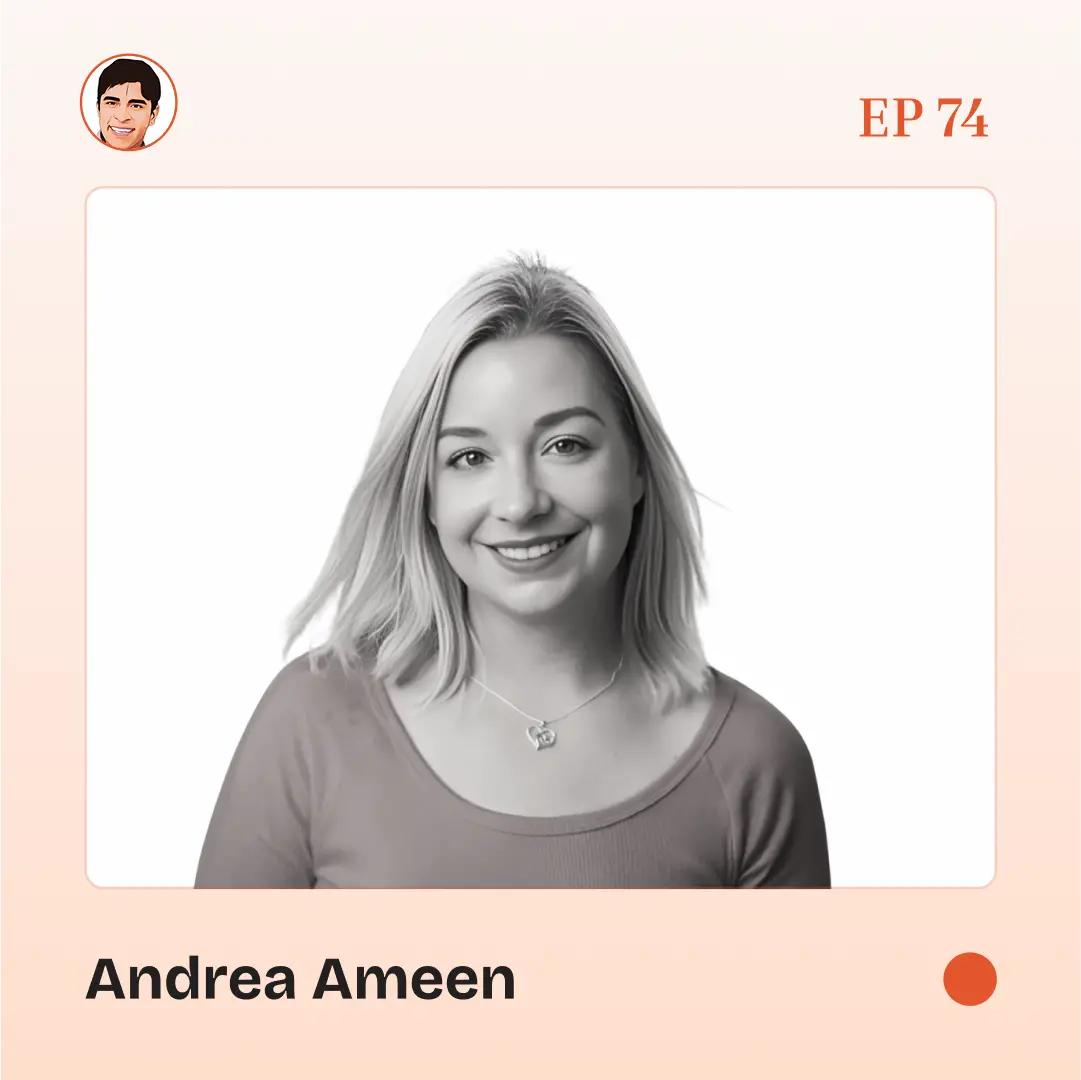
01/30/2025 1:02pm
Personal Update: We're Building a 10,000 Sq Foot Memory Care Mansion | Ep 74
Today I'm joined by my wife Andrea to discuss our exciting new venture into residential assisted...
➡ Episode Page
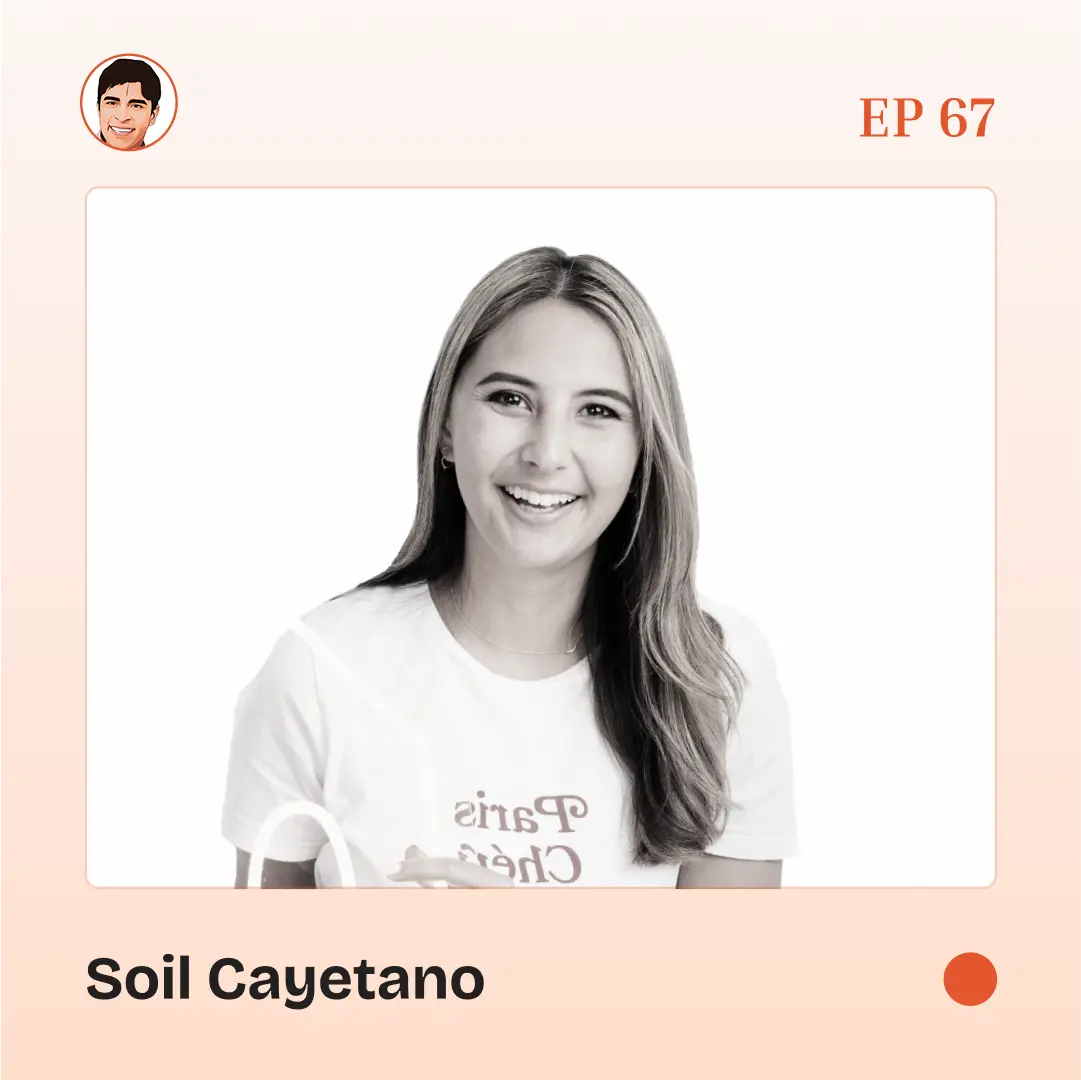
12/23/2024 12:30pm
Out-of-State Investing: 45+ Properties in Less Than 4 Years?
Out-of-state real estate investing with Soli Cayetano, a 26-year-old investor who built a portfolio of 40+...
➡ Episode Page
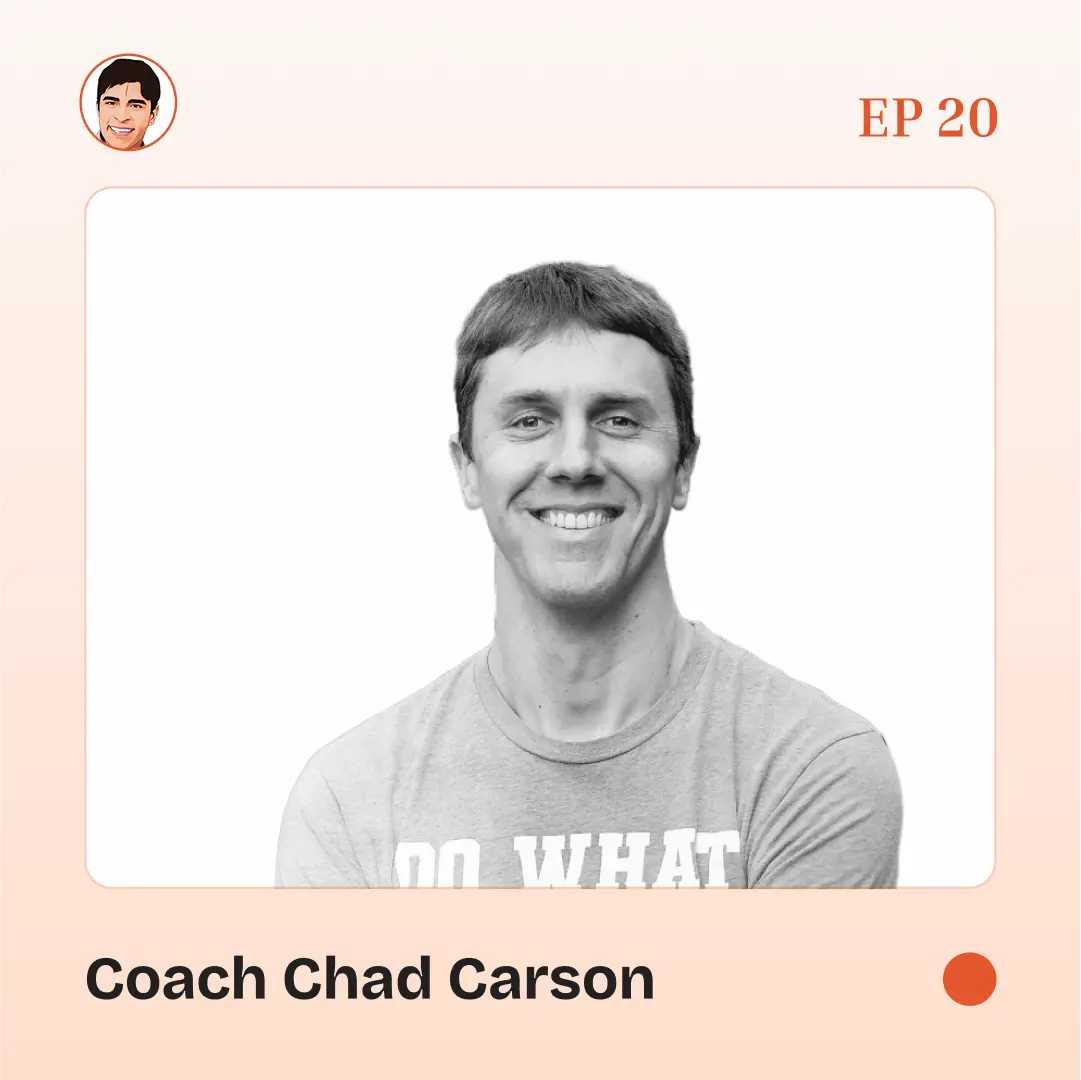
01/29/2024 1:31pm
Chad Carson: From Flipping Houses to Family Focus- Coach Carson’s Real Estate Evolution
In today’s episode of the Hybrid Real Estate Professional, we have real estate guru and two-time...